Biosfer Sport

Load is measured. The response is understood

We combine biology, external load and sporting context to turn complex measurements into clearer decisions.

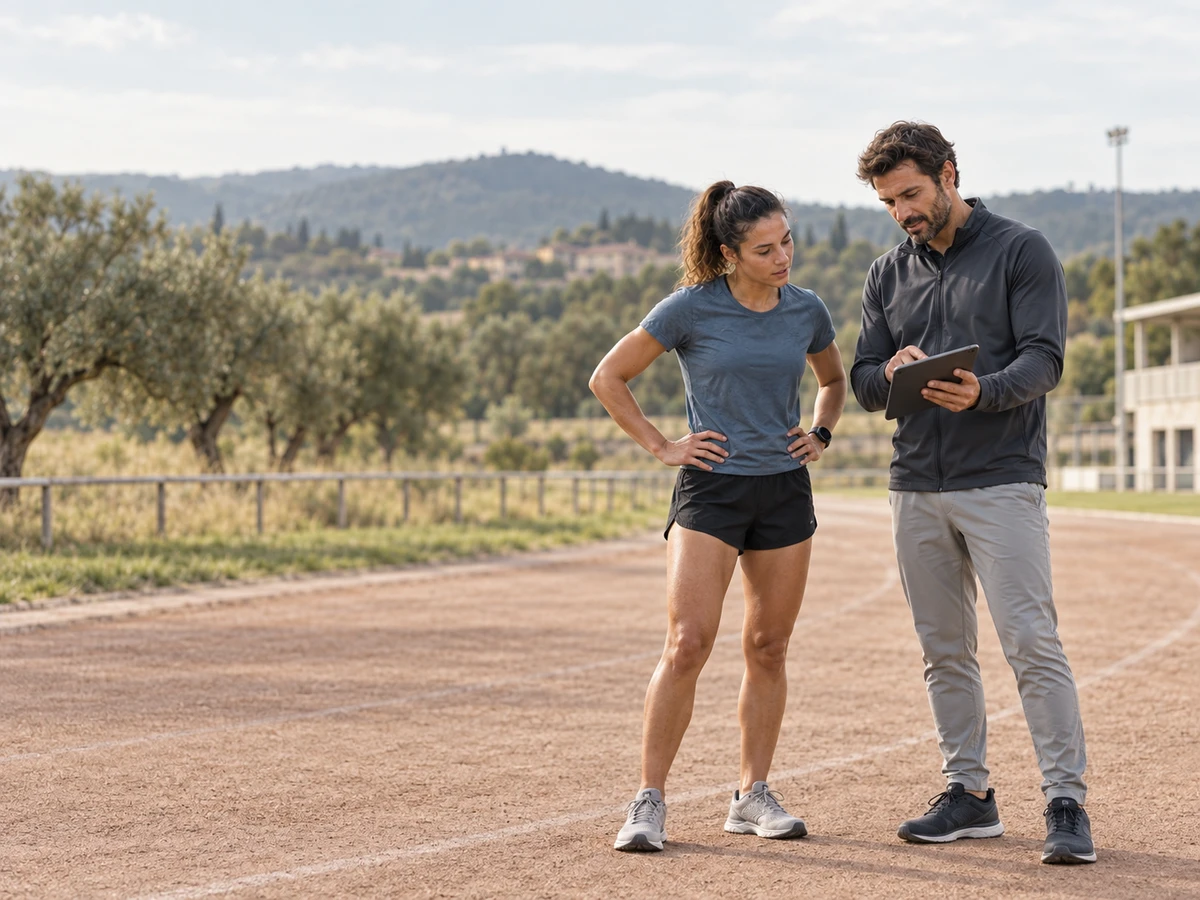
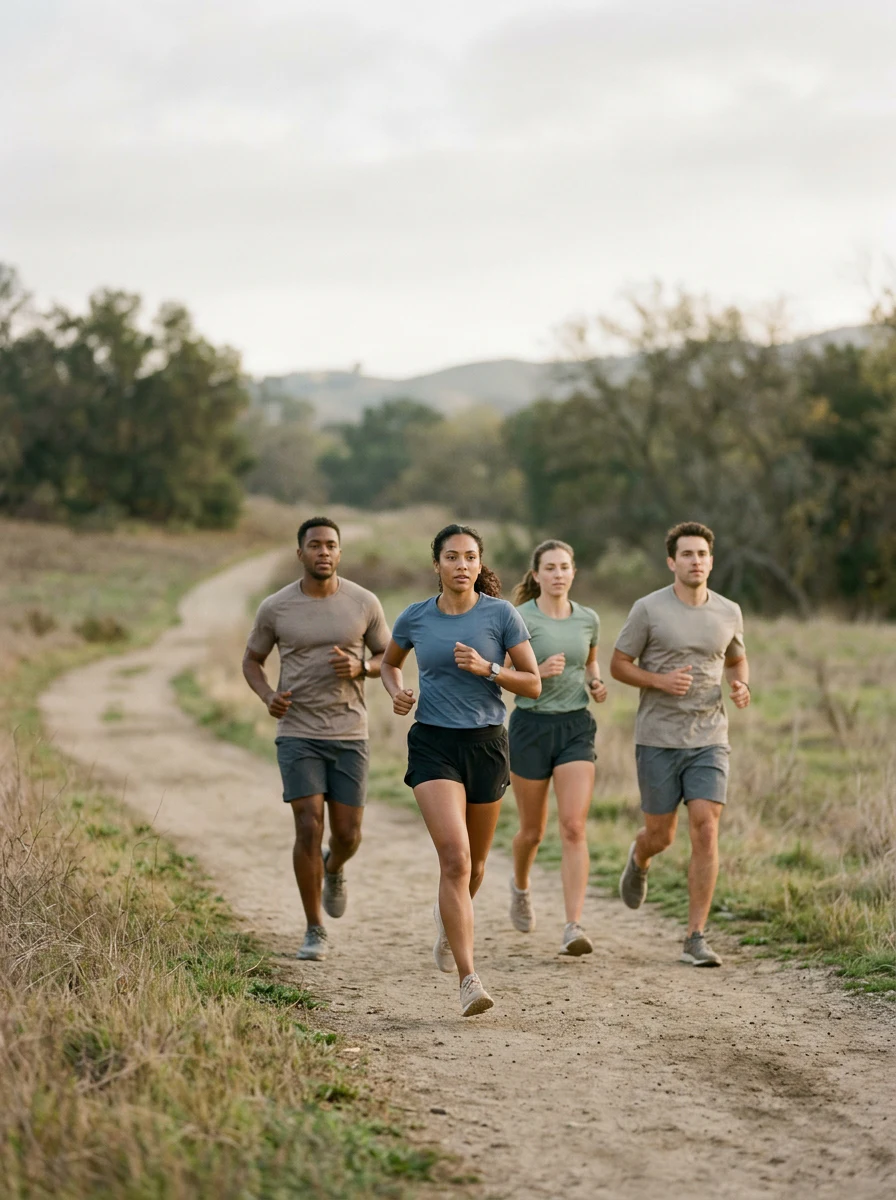
Three athletes training on a path in the Camp de Tarragona; illustrative scene
Sporting contexts

One approach, adapted to each discipline

  1. Running · Endurance

    A measurement design to understand the real cost of an endurance challenge and turn it into lessons for the next one.

    What it can include
    • A starting profile with priorities to prepare for the challenge
    • A view of each race segment, cross-referenced with external load
    • Recovery status relative to the reference measurement, with priorities for returning to load
    • Energy metabolism
    • Muscle cost
    • Stress response
    • Recovery capacity
  2. Football · Player Biological Intelligence

    A longitudinal view so that performance, medical, physiotherapy, nutrition and coaching staff share the same picture of each player.

    What it can include
    • An individual reference for each player
    • Each player’s progress across the season and between matches
    • A summary adapted to each role in the club
    • Individual reference
    • Response to load
    • Muscle cost
    • Recovery
  3. Cycling · Load and environment

    Monitoring of training blocks, environment, competition and recovery, adapted to the calendar and the terrain.

    What it can include
    • Starting status before each training block
    • Response and adaptation to load, including at altitude and in the heat
    • Comparable measurements of each competition and its recovery
    • Energy metabolism
    • Adaptation to load
    • Accumulated fatigue
    • Recovery

We do not only work with these disciplines: we adapt the approach to different sports. Metabolism is the engine that makes it possible to absorb load, perform and recover.

How we can help

From external load to an individual response in context

Performance questions

  1. What is the individual biological reference point?
  2. How does the athlete respond to a training block or a competition?
  3. What internal cost comes with the observed performance?
  4. How does recovery evolve relative to the athlete’s own baseline?
  5. What patterns emerge when biology and external load are combined?
  6. How can a season of data become accumulated knowledge?

Application settings

Running

  • Preparing for a sporting challenge, from elite to recreational level
  • Analysing race strategy: pacing, nutrition and hydration
  • Recovery and a gradual return to training

Football

  • Season monitoring and optimising team performance
  • Congested fixture schedules and recovery between matches
  • Developing and monitoring young talent

Cycling

  • Season preparation and altitude or heat training camps
  • Stage races and multi-day challenges
  • Managing accumulated fatigue across the season

Who we work with

Clubs and teams
Longitudinal monitoring linked to the season, load and availability.
Performance clinics
Biomedical services for assessment, monitoring and recovery.
Athletes and coaches
Information that can be applied to preparation, competition and recovery.
Medicine, physiotherapy and nutrition
Information put in context for each professional area.

How we start

  1. Step 1 We start with the challenge and the calendar

    Discipline, goal, available load data and the question we want to answer.

  2. Step 2 We design the measurement points

    Reference measurement, training blocks, competition or recovery, linked to GPS, power or session data.

  3. Step 3 You receive a report for each role

    A shared summary that each professional can apply in their own area and that gains precision with every measurement.

Samples and turnaround

Serum or plasma
The main sample for most analyses.
Capillary blood
A simple collection that makes more frequent measurements easier.
Urine
A non-invasive sample for repeated monitoring.
Stool
For microbiome analysis.

Turnaround times are agreed for each project, depending on the number of samples and whether the results are combined with other data.

Demand and response

Every sport places a specific demand.Every athlete, an individual biological response.

A sprinter is not a climber, a goalkeeper is not a striker, and a recreational 5K is not a 100 km ultra. Nor does a professional athlete respond in the same way as someone preparing for their first big challenge. Although each context places a different demand, they all depend on the ability to produce energy, manage load, adapt and recover.

We provide the information behind that ability: energy metabolism, tissue damage, oxidative stress, the build-up of fatigue-related metabolites and recovery. Together with the professionals who support the athlete, we put it in context according to the discipline, the calendar and the goal, so that decisions are based on data and not only on feel.
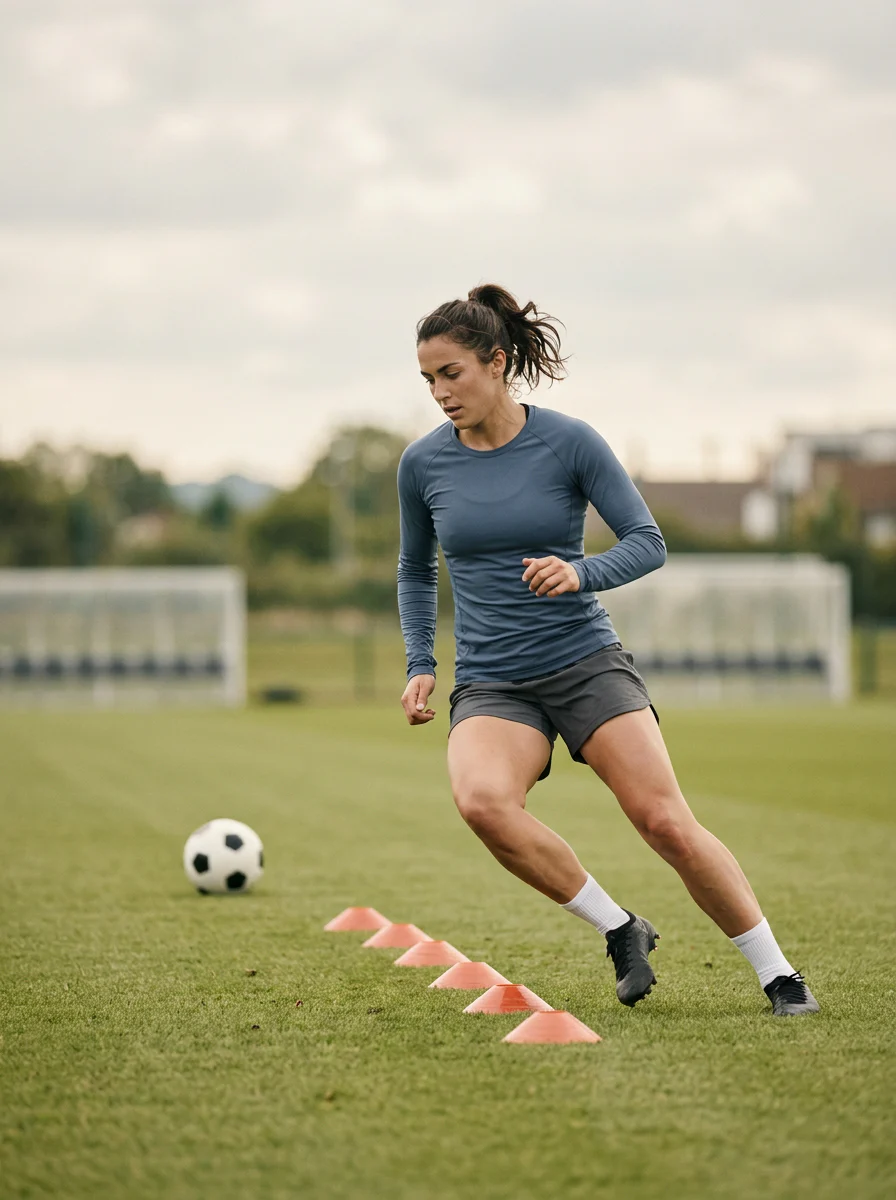
Football player doing a technical drill on the pitch
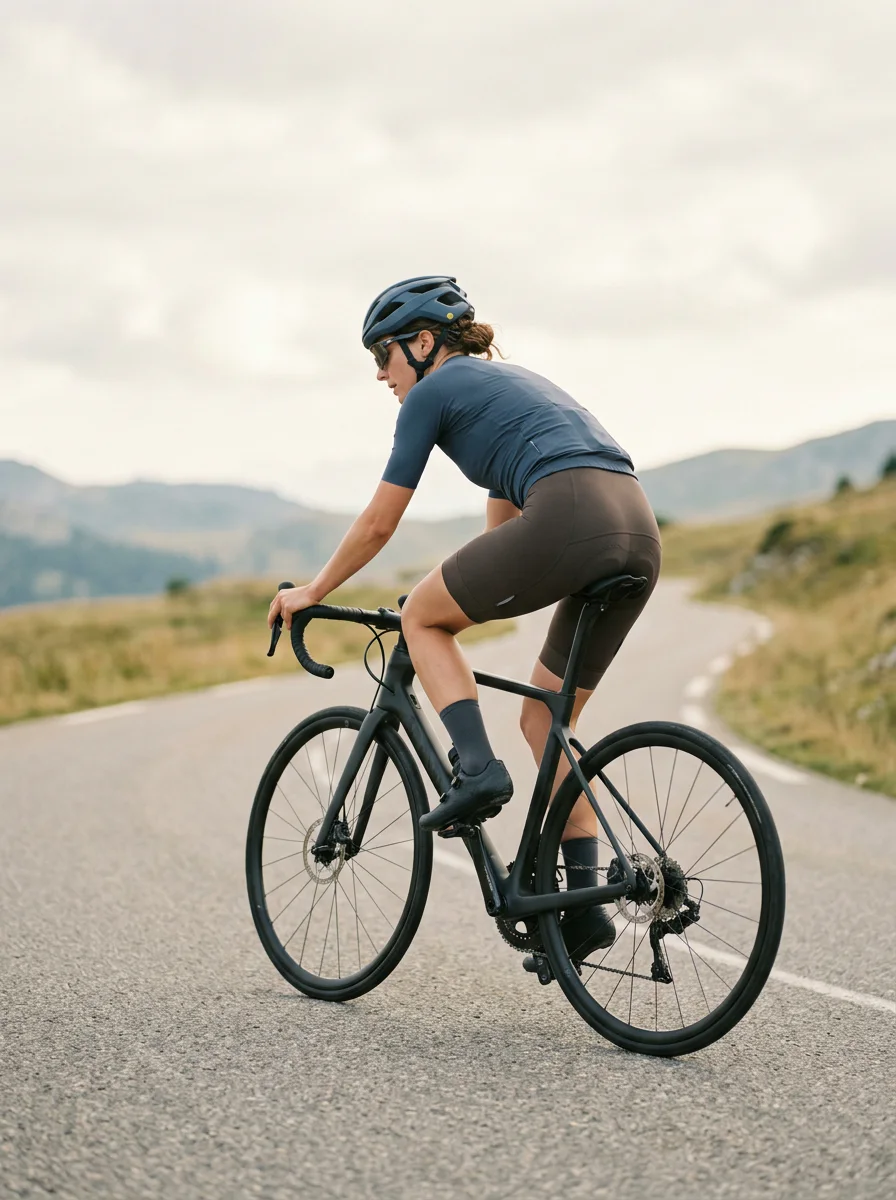
Cyclist training on a mountain road
Group of runners training outdoors
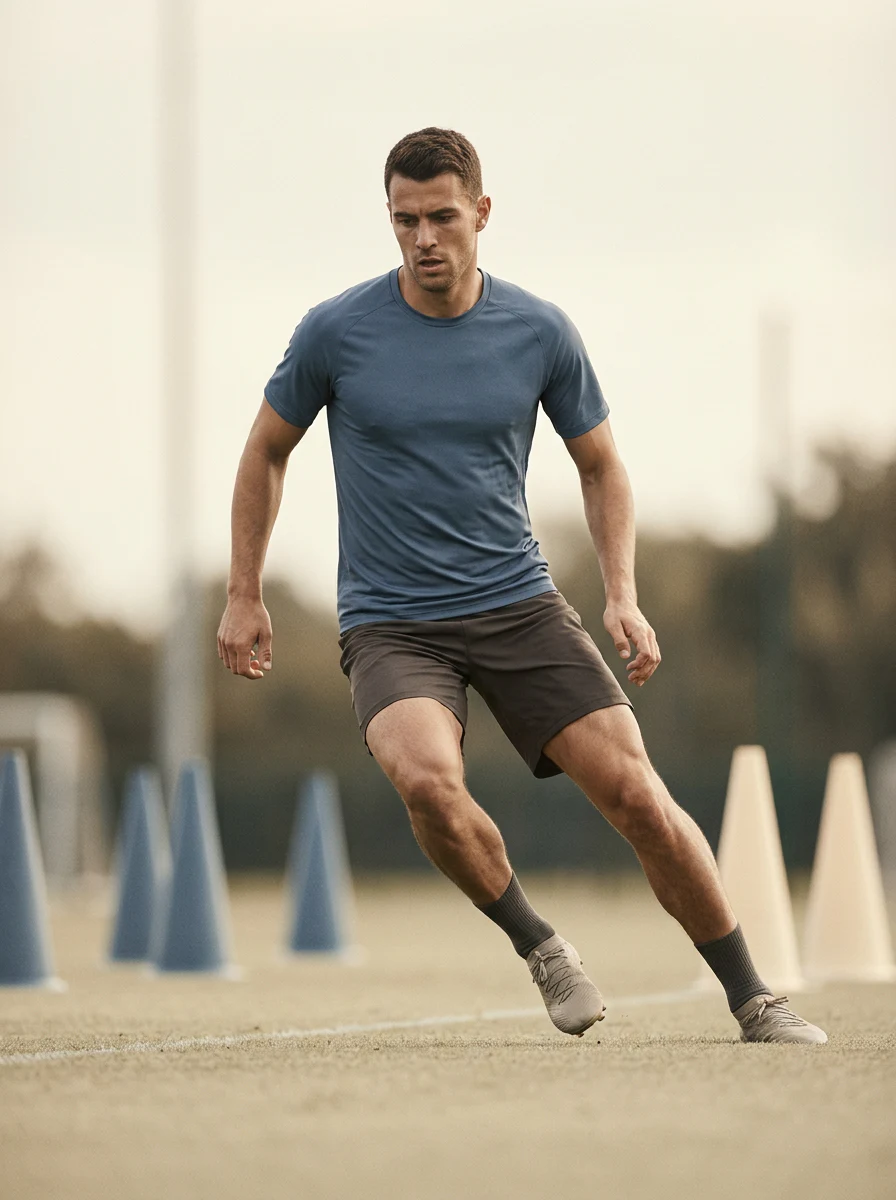
Football player doing a change-of-direction drill
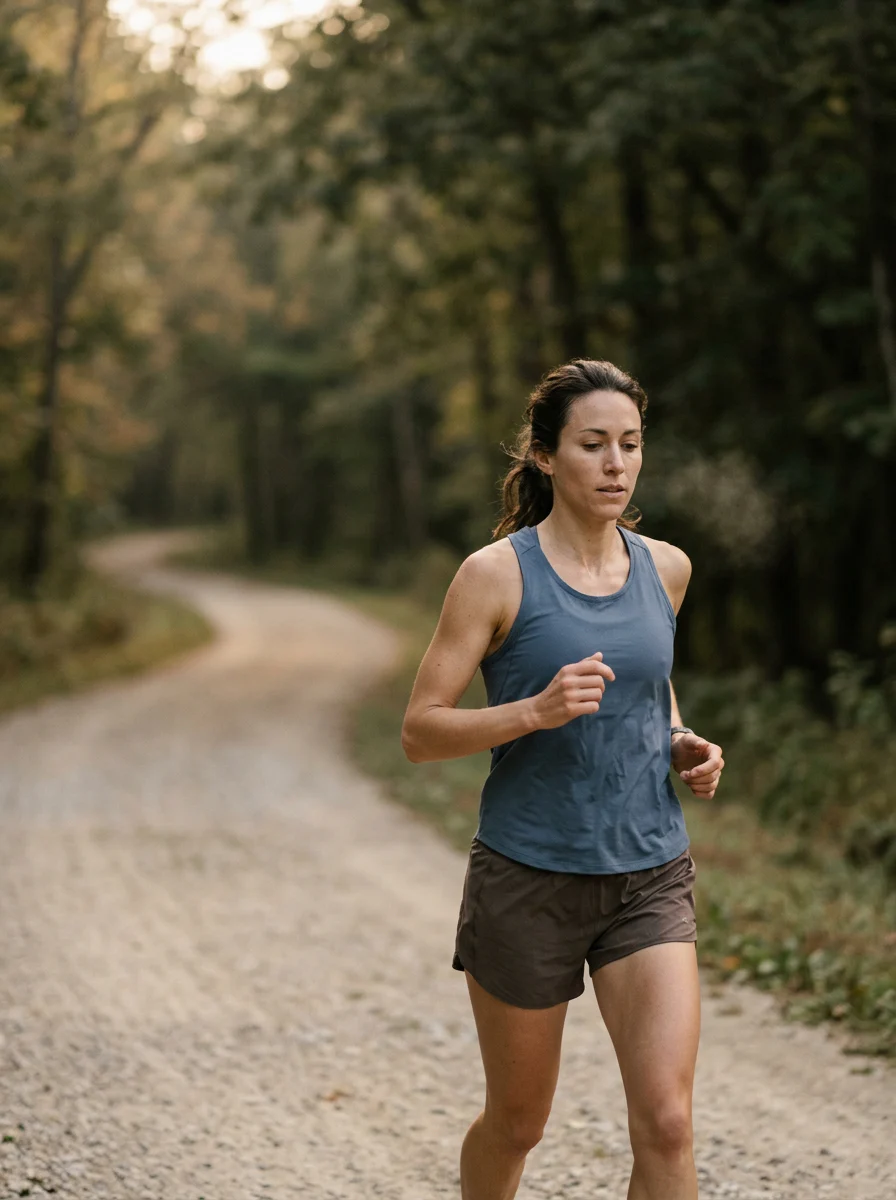
Runner training outdoors
From an isolated measurement to an athlete’s own biological trajectory.

The basis for individual interpretation and for moving towards a biological digital twin.

Why Biosfer for sport

Applied science without oversimplifying performance

We do not turn an isolated biomarker into a decision. We combine several signals with the judgement of the professionals involved.

Individual reference

In sport, population ranges say little: the best reference is the athlete themselves.

Longitudinal view

Each measurement can add more when it is part of a comparable trajectory.

Multidisciplinary view

We prepare useful information for performance, medicine, physiotherapy and nutrition.

Beyond GPS

External data tell you how much has been trained; metabolism explains how the athlete has absorbed it and how much margin is left.

Collaboration models

We step in at the level the sporting setting needs

Each project is tailored: a specific event, a training block or a full season.

One-off analysis

A measurement to answer a specific question about preparation, competition or recovery.

Monitoring programme

Repeatable measurements linked to training blocks, the calendar and goals.

Integrated interpretation

Analysis and interpretation alongside the load, performance and health data the staff already collect.

Data platform

A dedicated environment to bring together athlete and staff data, analyse it and anticipate how it will evolve.

Your next challenge

Let’s talk about the response you want to understand

Tell us about the discipline, the calendar, the available data and the decision you need to support.

Design a monitoring programme