
Connecting lipid research, clinical practice and cardiovascular prevention through the collaborative ecosystem of LIRIC, UVASMET, URLA/URV and Biosfer Teslab.
The 3rd Congress of the Catalan Society of Lipids and Atherosclerosis brought together professionals working across lipidology, vascular prevention, metabolism and translational cardiovascular research. The participation from Reus reflected a particularly interconnected model: clinical questions arising from patient care, academic research into lipid biology and advanced analytical technologies developed within a biotechnology environment.
Rather than a collection of isolated contributions, XULA 2026 illustrated how the Reus ecosystem works across the translational pathway: from understanding mechanisms and identifying biomarkers to improving risk assessment and supporting clinical decision-making.
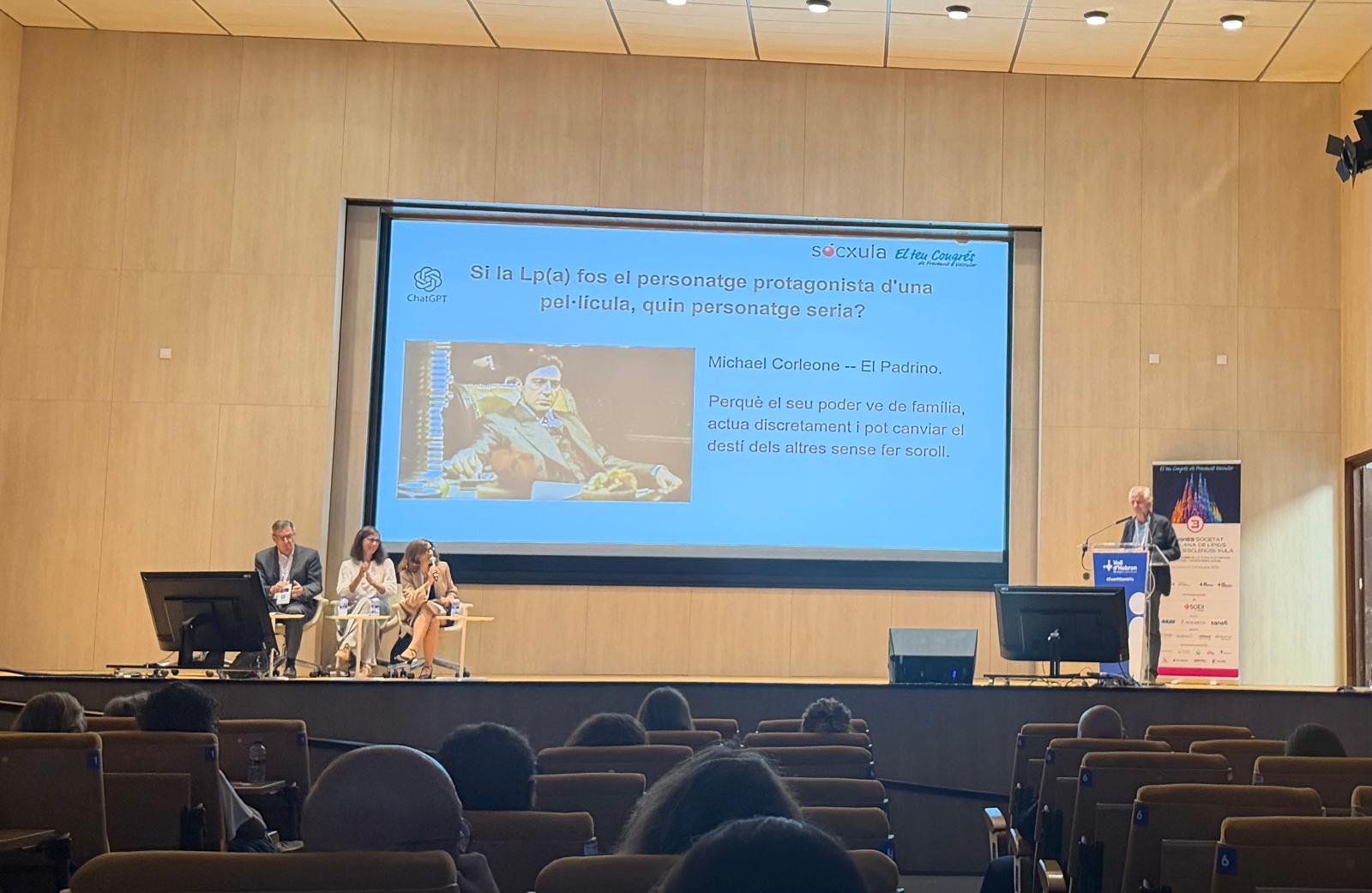
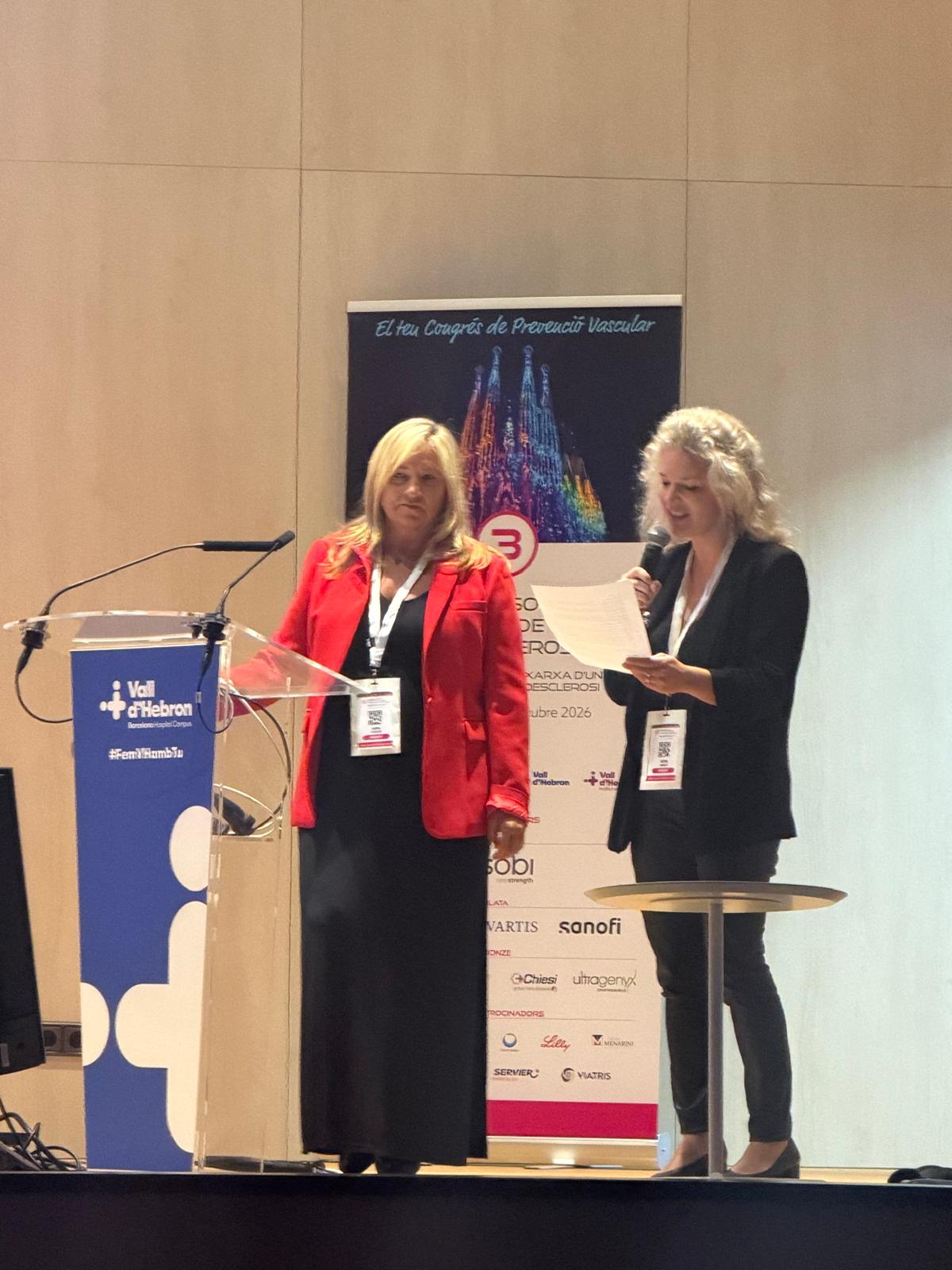
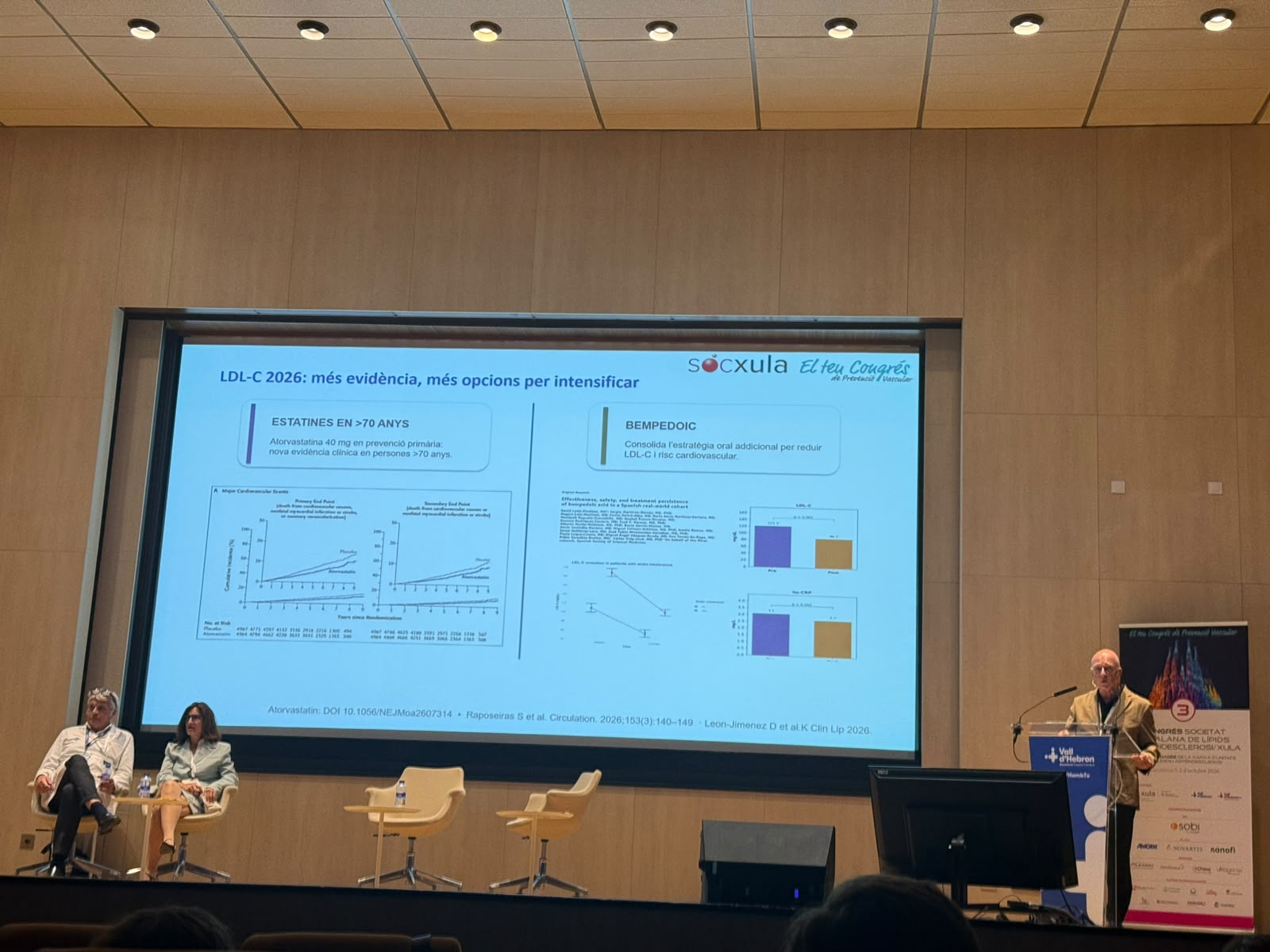
XULA 2026 also provided an opportunity to strengthen the scientific community around lipid disorders, atherosclerosis and cardiovascular prevention. Lluís Masana, President of XULA, took part in a programme designed to connect emerging evidence, therapeutic options and the real challenges encountered in clinical practice.
This institutional dimension is also important: translating scientific advances into better prevention depends not only on generating evidence, but also on creating spaces where clinicians and researchers can discuss how that evidence should be interpreted and applied.
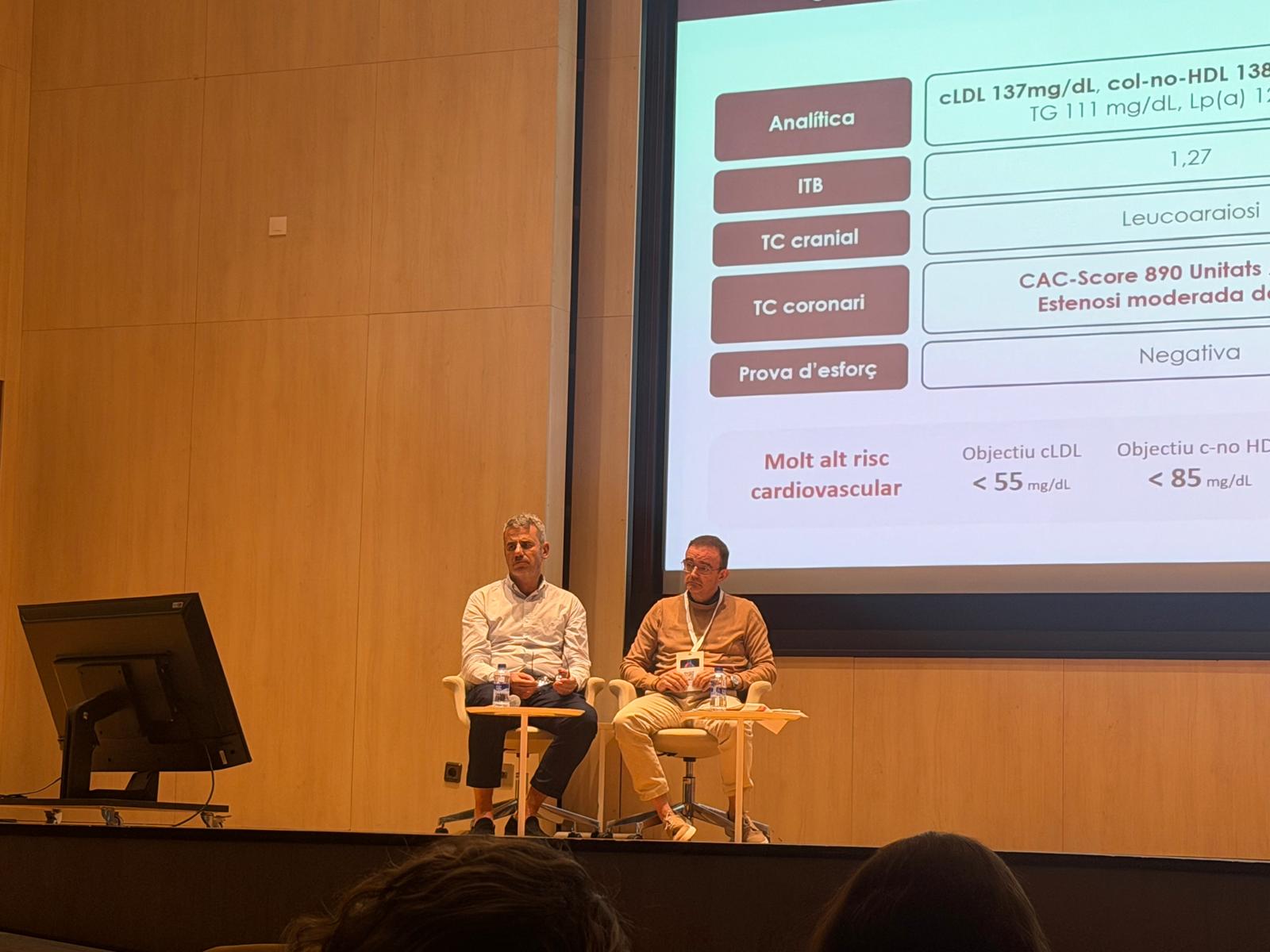
One of the clearest examples of translational work at the congress was the clinical case “Deciphering the lipid profile: NMR as a tool in clinical practice”. The session placed advanced lipoprotein profiling in a practical clinical context and illustrated how deeper characterisation of lipoprotein particles can complement conventional lipid measurements when cardiovascular risk is complex.
For Biosfer Teslab and the Reus lipid research environment, this is a central objective: not to replace routine laboratory parameters, but to provide additional molecular detail when that information can improve interpretation, research stratification and the understanding of residual risk.
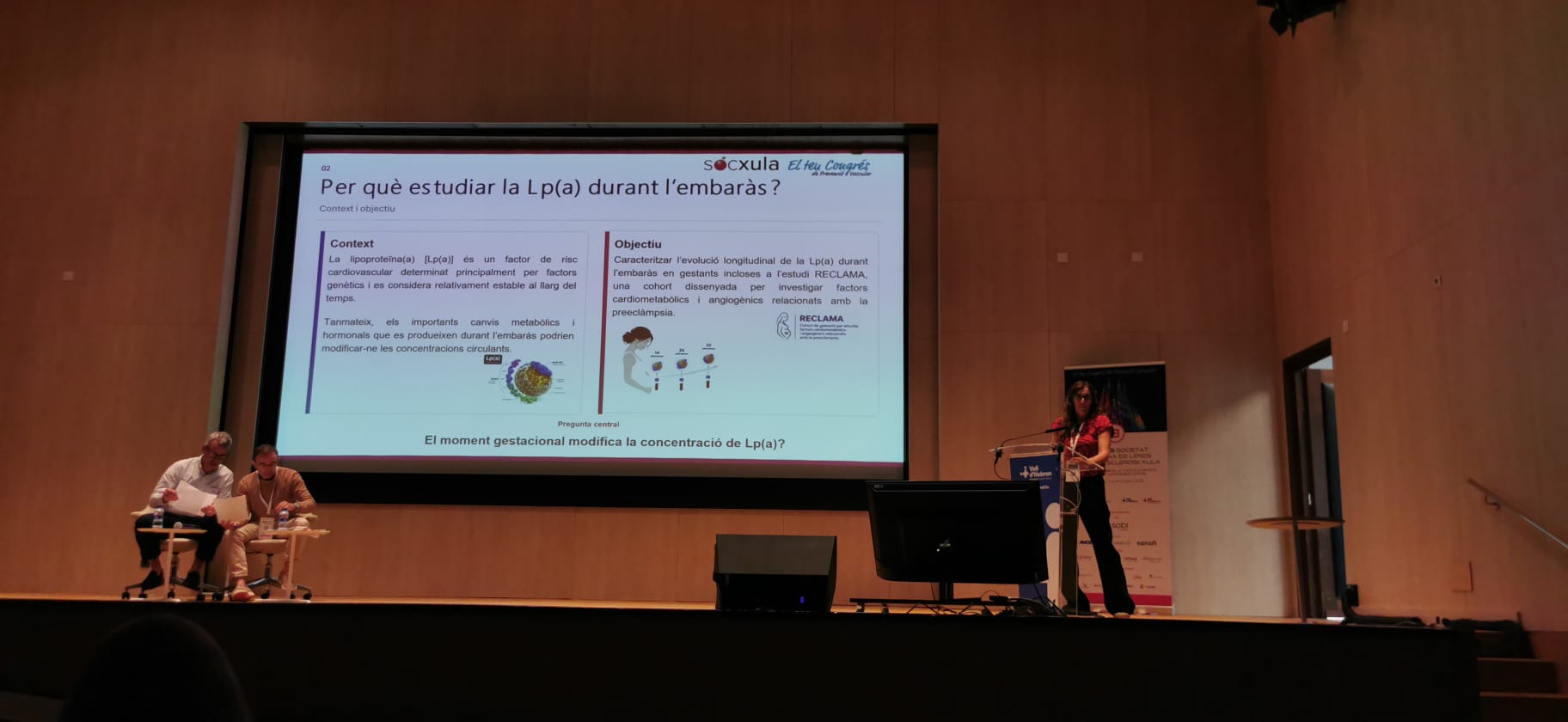
Lydia Cabau presented data from the RECLAMA study on longitudinal changes in lipoprotein(a) during pregnancy. The work brings together Biosfer Teslab, the Vascular Medicine and Metabolism Unit (UVASMET), the Gynaecology Department of Hospital Universitari Sant Joan de Reus and IRBCatSud.
The question is clinically relevant because pregnancy is accompanied by profound hormonal and metabolic changes. Studying how Lp(a) behaves throughout gestation may help refine our understanding of cardiovascular and angiogenic processes in women and identify biological patterns that warrant further investigation.
This contribution also highlights the value of longitudinal cohorts: rather than observing a single measurement, repeated sampling makes it possible to examine how biomarkers evolve throughout a defined physiological transition.
The DECOPIN.CAT initiative addresses one of the persistent challenges in lipid medicine: familial hypercholesterolaemia remains underdiagnosed, even though elevated LDL cholesterol is present from birth and cumulative exposure shapes long-term cardiovascular risk.
At XULA 2026, Èrica Cunillera presented this coordinated strategy for early detection in the paediatric population in Catalonia. The project connects the LIRIC-UVASMET clinical node with IRBCatSud/URV and Biosfer Teslab, reflecting the importance of combining clinical pathways, family-based detection and research infrastructure.
Earlier identification creates an opportunity to intervene before decades of LDL exposure accumulate, an approach fully aligned with preventive cardiovascular medicine.
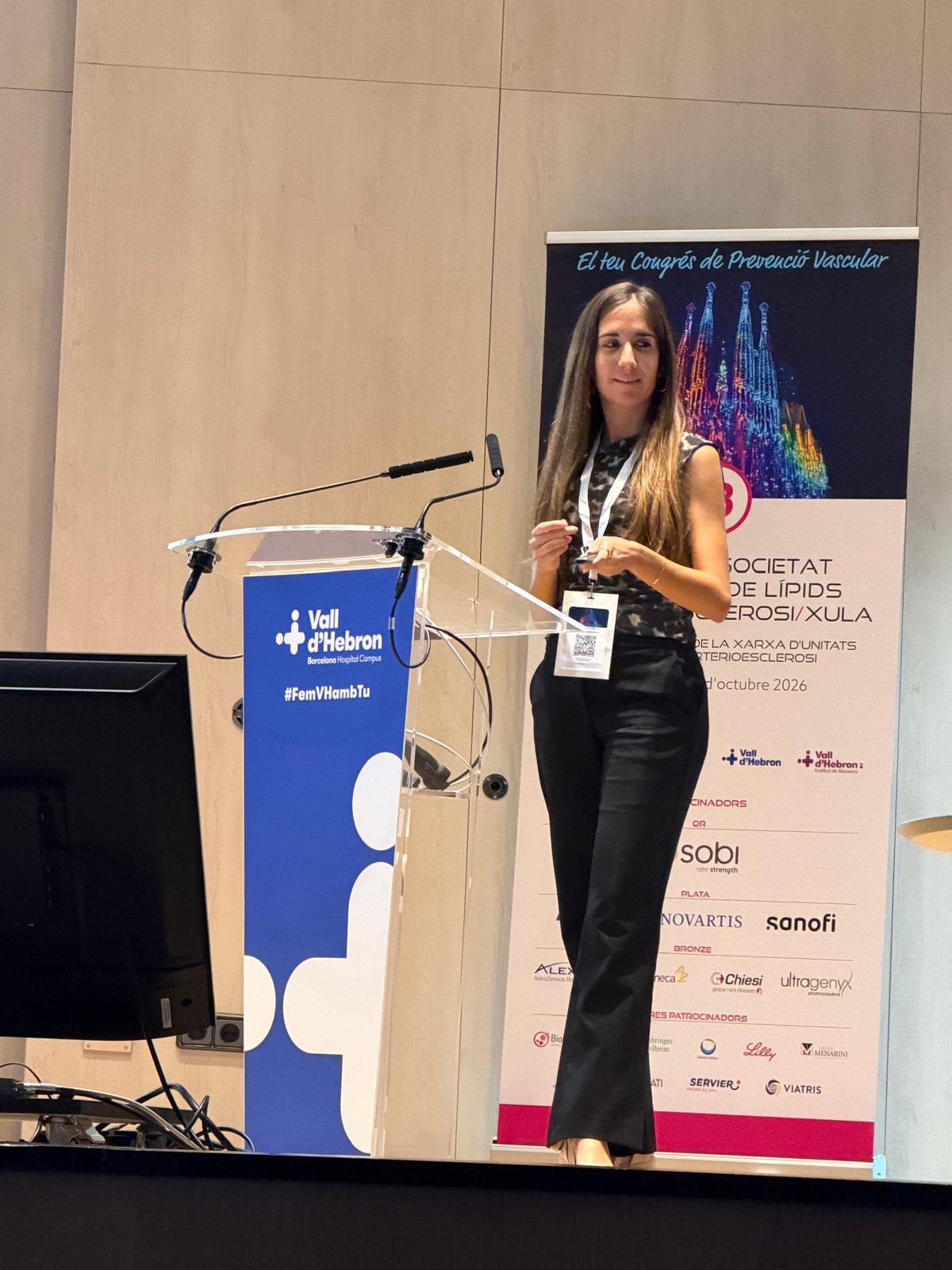
The programme also placed particular emphasis on the systemic nature of cardiometabolic disease. Obesity, adiposity, glucose metabolism, lipid abnormalities and vascular damage do not act independently: they interact over time and contribute to heterogeneous cardiovascular trajectories.
Ana María González-Lleó addressed the impact of pharmacological treatment of obesity on atherosclerotic risk, reinforcing a broader concept of prevention in which weight, metabolic health and vascular outcomes should be interpreted together rather than as separate targets.
This broader perspective is particularly relevant to precision prevention, where the objective is not simply to reach isolated targets, but to understand the biological context behind them.
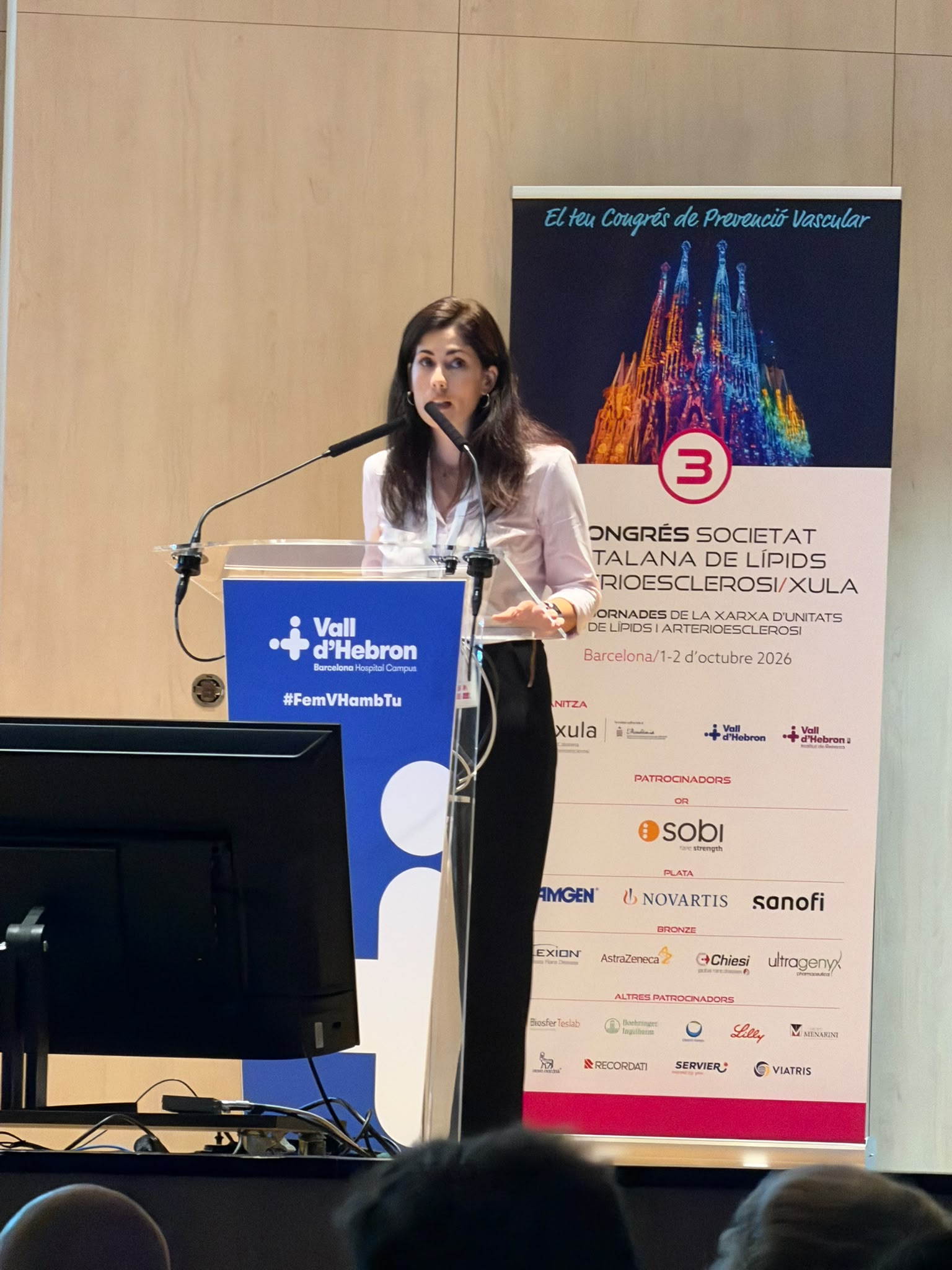
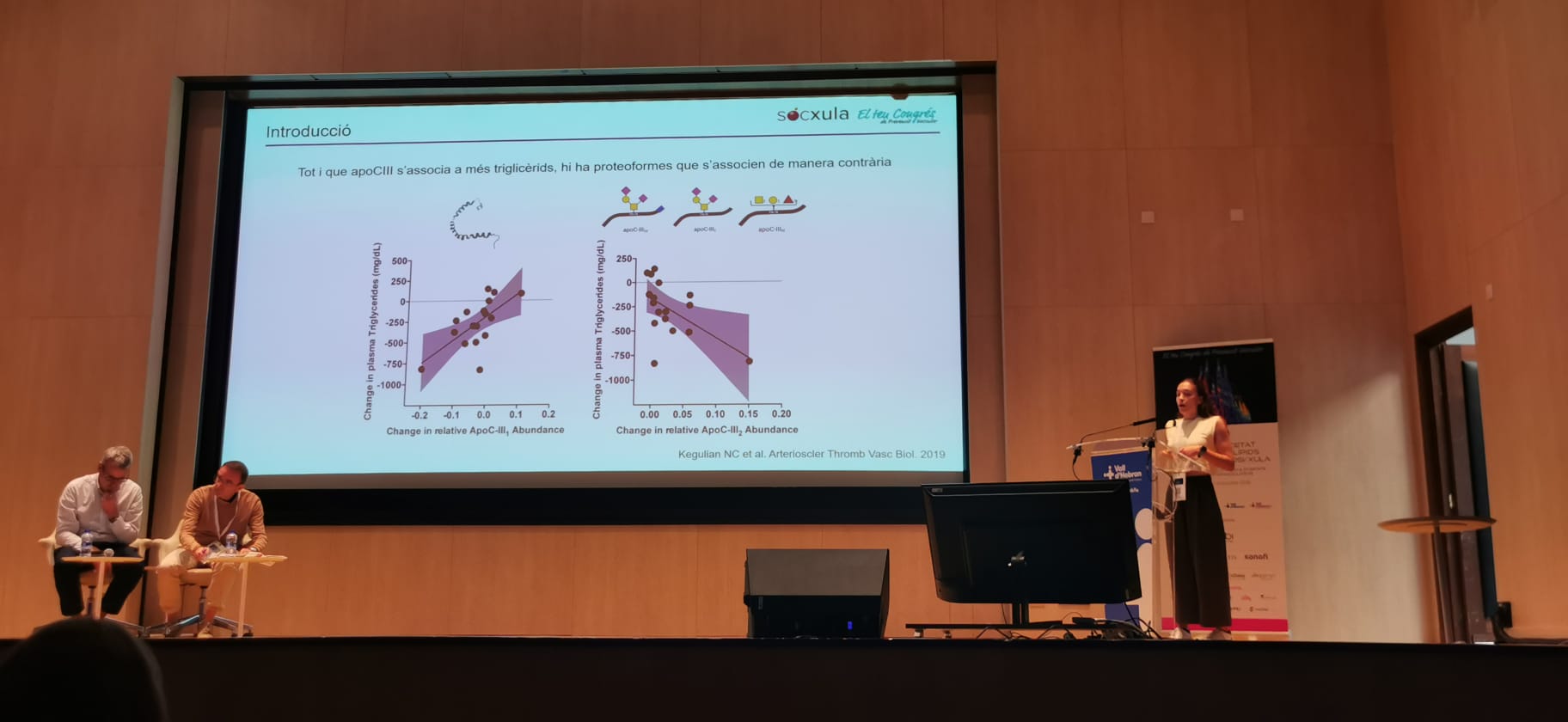
Basic and translational lipid research was also represented through work on ApoC-III proteoforms. Helena Banús presented findings on specific ApoC-III proteoform ratios associated with a healthier cardiometabolic phenotype and a lower incidence of type 2 diabetes in a case-control study.
This type of work illustrates why advanced molecular phenotyping matters: molecules often treated as a single biomarker can exist in biologically distinct forms, and these differences may provide relevant information about metabolism and disease risk.
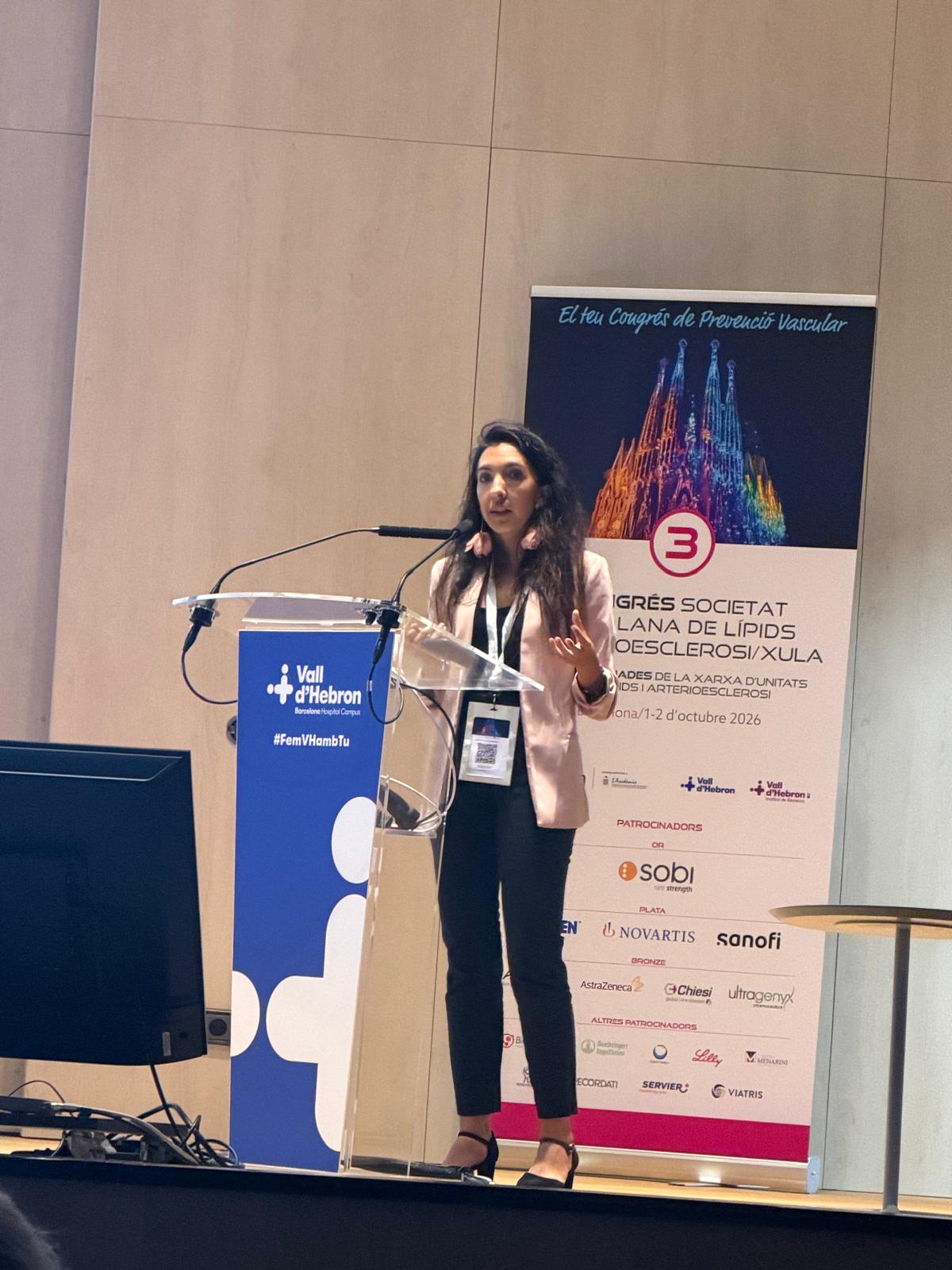
Cèlia Rodríguez-Borjabad completed the prevention pathway by focusing on lifestyle not as a one-off intervention, but as a cumulative exposure throughout life. Duration and intensity matter, and the benefits of healthier behaviours become particularly relevant when they are sustained over time.
This message complements the molecular and pharmacological discussions at the congress: precision prevention does not mean focusing exclusively on sophisticated biomarkers or new therapies. It also means understanding when, how intensely and for how long modifiable exposures influence cardiovascular risk.
The contribution from Reus also extended to the interpretation of evidence and the translation of lipid and cardiometabolic knowledge into real clinical decisions. This is where the different layers of the ecosystem converge: mechanistic research, biomarkers, imaging, pharmacological options and the individual context of each patient.
At XULA 2026, Ricardo Rodríguez and Daiana Ibarretxe represented this bridge between research and clinical practice from complementary perspectives.
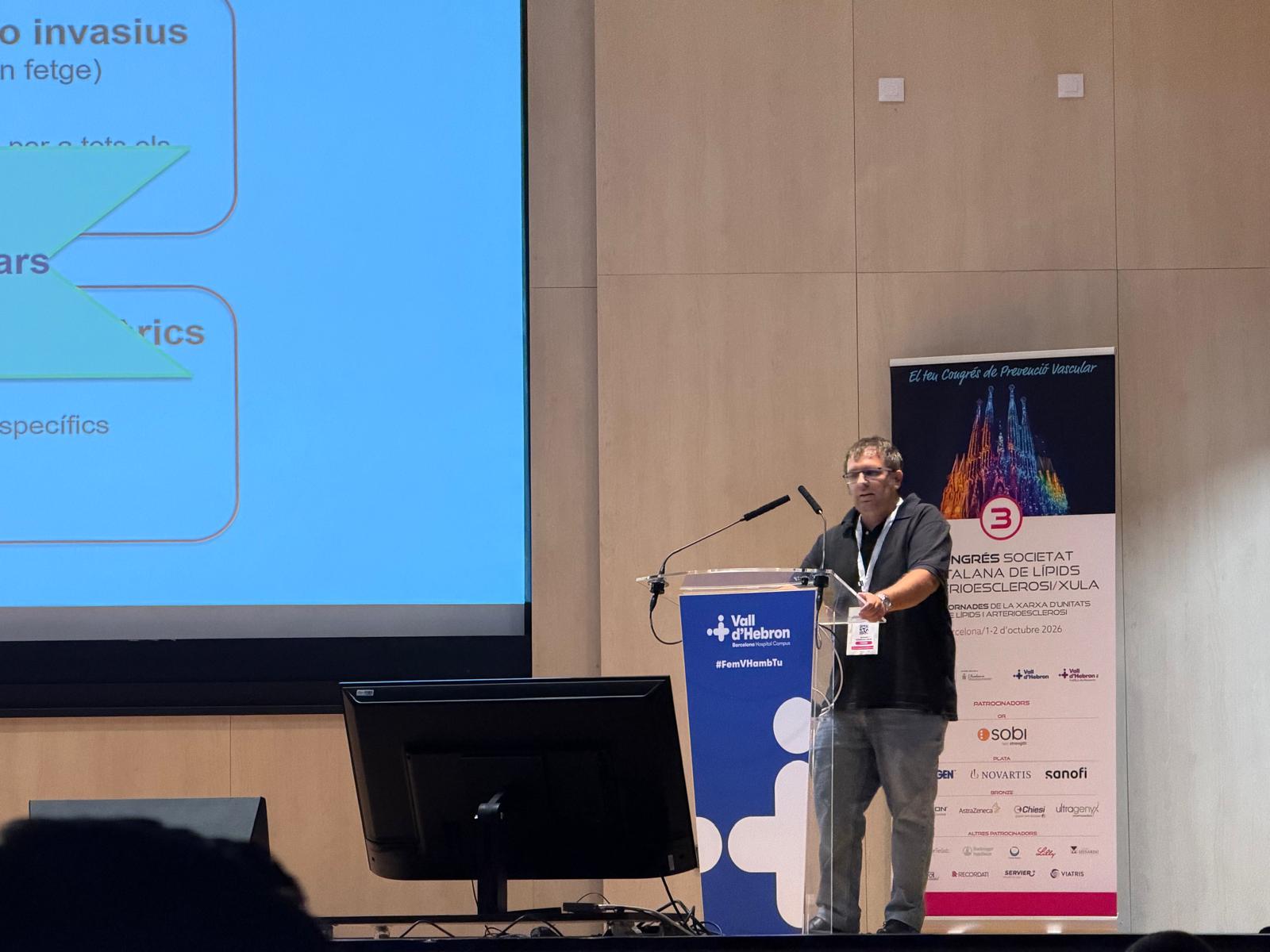
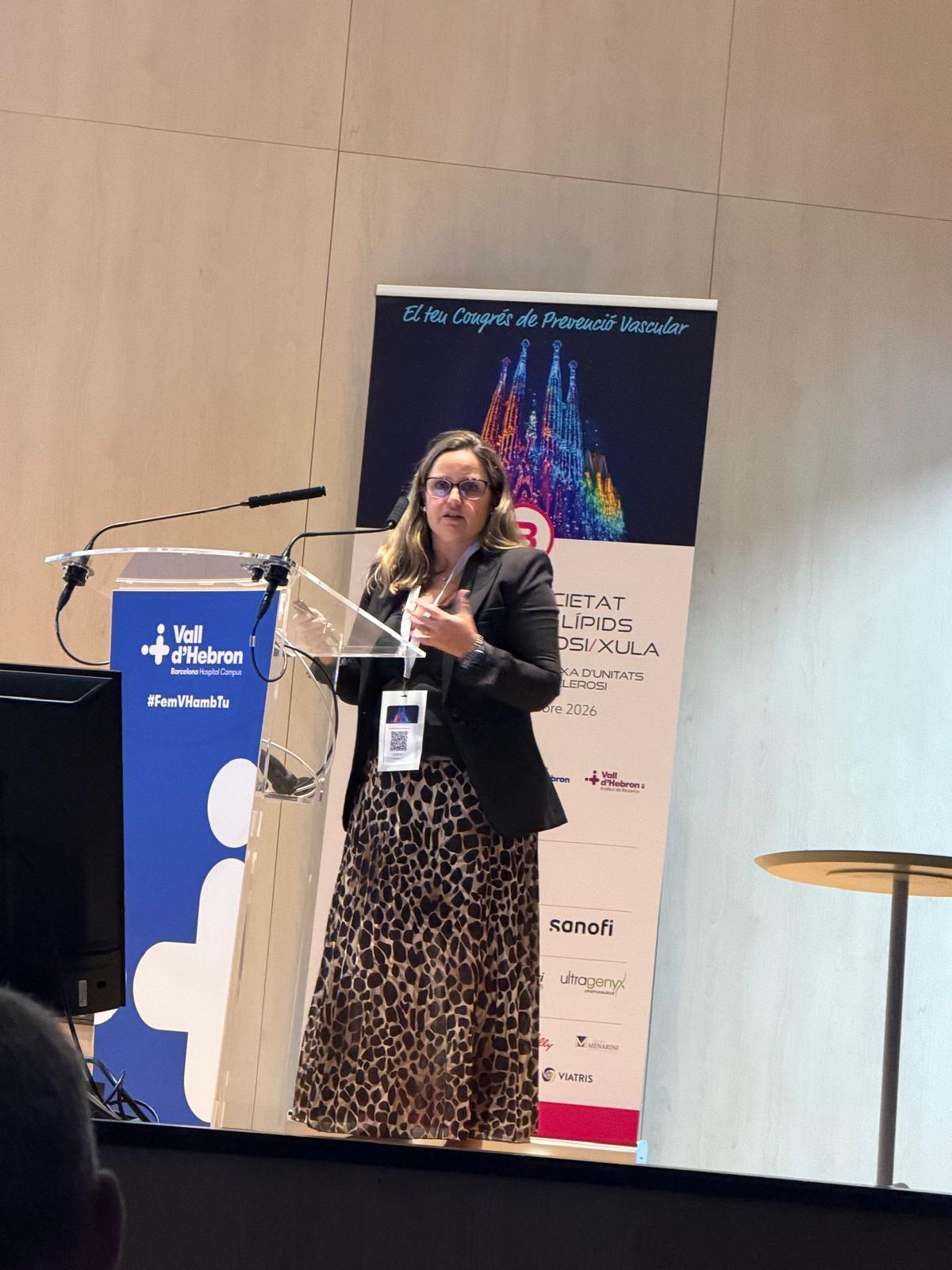
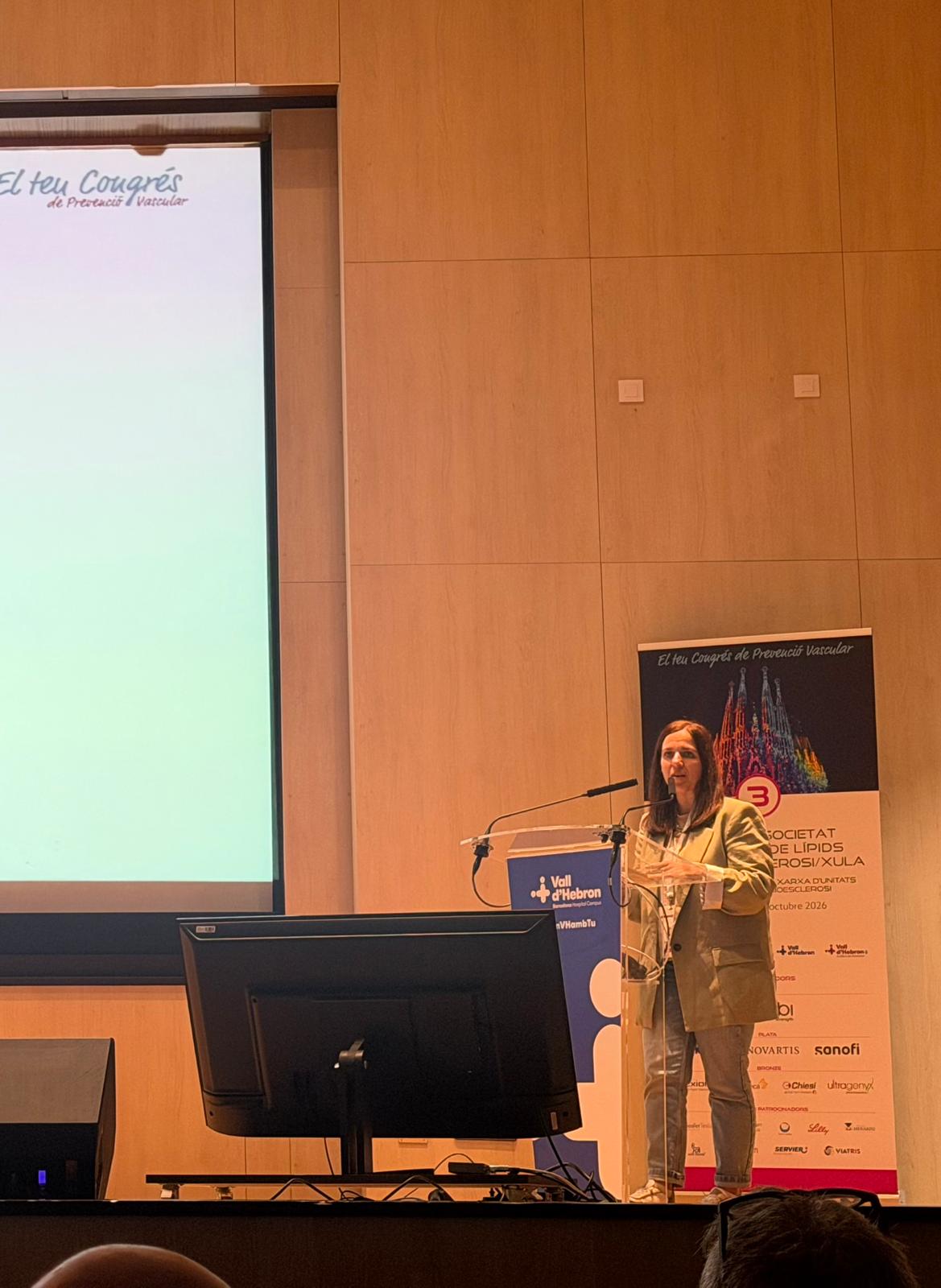
Beyond risk characterisation and early detection, the contribution from Reus also included the implementation of new lipid-lowering strategies in clinical practice. Meritxell Royuela, from the Vascular Medicine and Metabolism Unit at Hospital Universitari Sant Joan de Reus, took part in the roundtable dedicated to inclisiran.
Her contribution focused on real-world experience with inclisiran and its current use in Catalonia, moving the discussion from therapeutic innovation towards its practical integration into the care of patients who require sustained LDL cholesterol control.
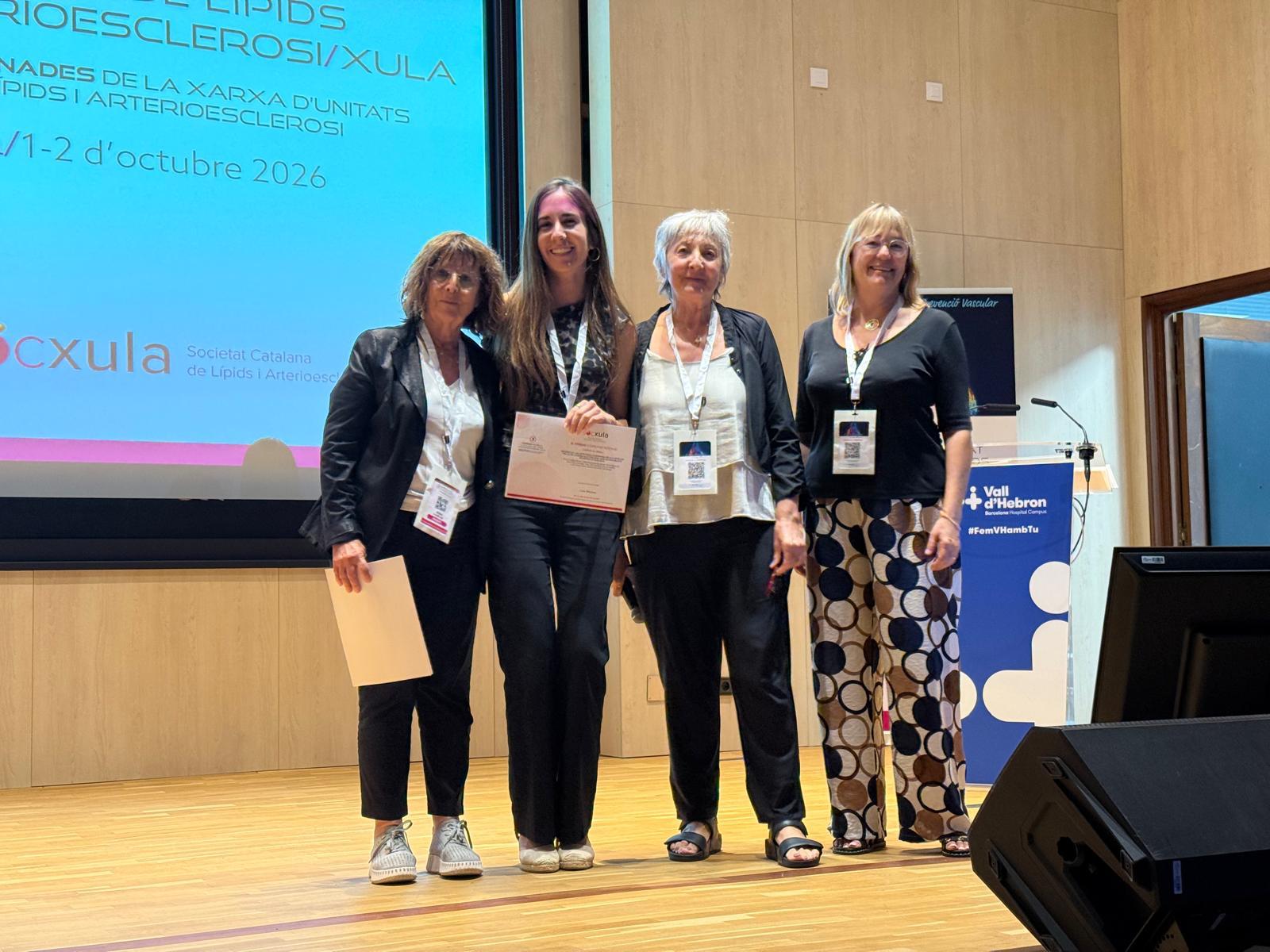
The presence of Núria Plana and the Reus clinical team reinforces an essential component of the LIRIC model: advanced research becomes truly translational when it remains connected to patient care.
This connection between clinical lipidology, vascular medicine, academic research and biotechnology is precisely one of the strengths of the Reus ecosystem.
LIRIC is the framework that connects the Reus ecosystem: Biosfer Teslab + UVASMET + URLA. These are not three unrelated organisations placed side by side, but complementary nodes designed to connect clinical care, academic research and biotechnology.
Together, these three nodes create a translational pathway in which questions arising from patients can be explored through basic and molecular research, while new analytical tools and biomarkers can be evaluated in clinically relevant settings.
Discover LIRIC →