
World Heart Day 2026: Prevention and Cardiovascular Risk

September 29 · World Heart Day 2026 World Heart Day: don’t miss a beat. Cardiovascular diseases remain the leading cause of death worldwide. September 29 is an opportunity to remember that understanding our cardiovascular risk factors, detecting them early and taking action can make a meaningful difference throughout life. Cardiovascular health concerns us all Cardiovascular […]
Familial Hypercholesterolemia: The Importance of Early Detection
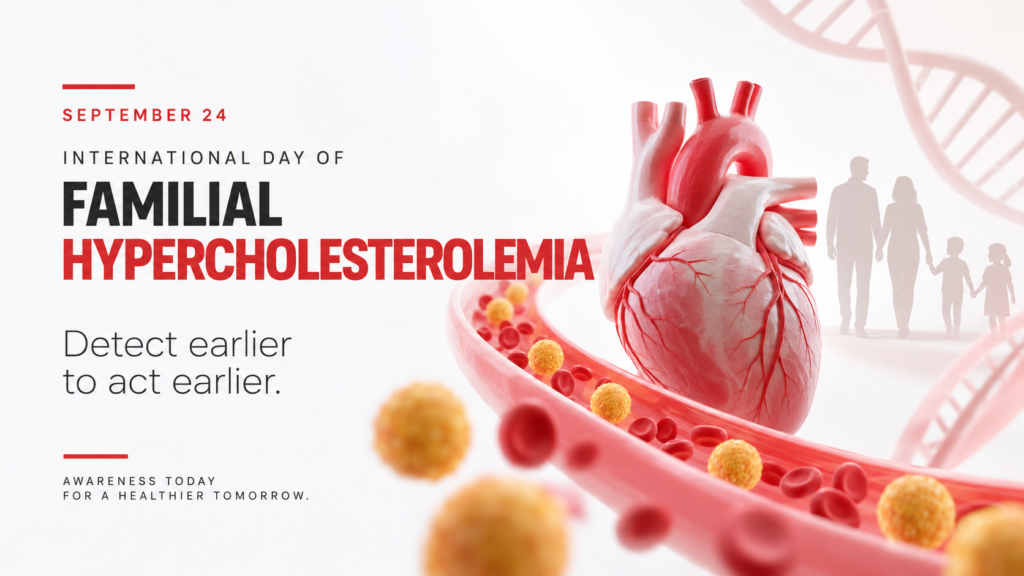
September 24 · Familial Hypercholesterolemia Awareness Day Familial hypercholesterolemia: detect earlier to act earlier. Familial hypercholesterolemia is an inherited condition that causes elevated LDL cholesterol levels from an early age. Early identification is key to reducing cumulative cholesterol exposure and addressing cardiovascular risk throughout life. What is familial hypercholesterolemia? Familial hypercholesterolemia (FH) is an inherited […]
Icosapent ethyl and residual cardiovascular risk: what NMR reveals beyond triglycerides

Cardiometabolism · Lipoproteins · NMR Icosapent Ethyl and Residual Cardiovascular Risk: What NMR Reveals Beyond Triglycerides A prospective, multicentre real-world study shows that icosapent ethyl therapy is associated with favourable changes in atherogenic lipoprotein particles and in an integrated marker of systemic inflammation. The key is to look beyond the conventional lipid profile. Based on: […]
MASLD: A Metabolic Disease with Growing Cardiovascular Impact
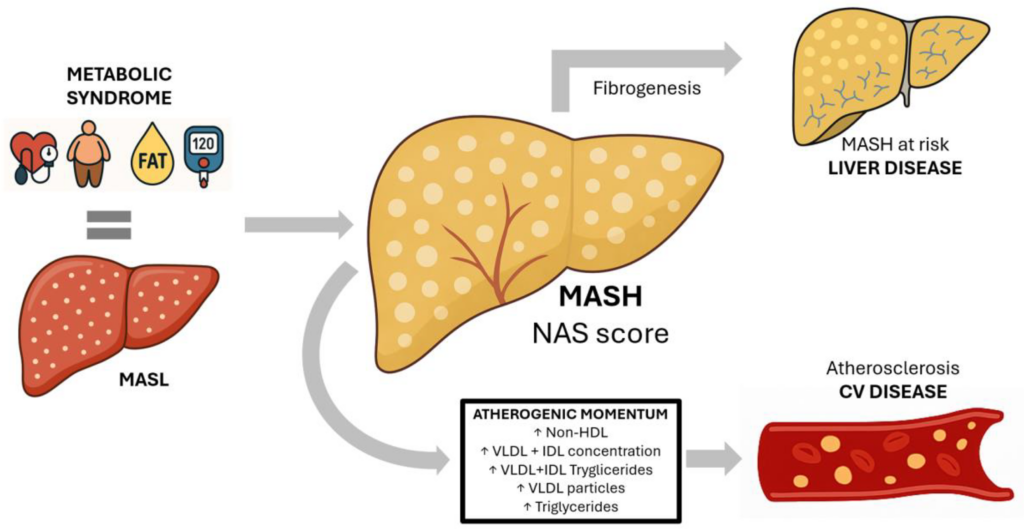
Introduction Metabolic dysfunction-associated steatotic liver disease (MASLD), formerly known as non-alcoholic fatty liver disease (NAFLD), has become one of the fastest-growing metabolic disorders worldwide.Its prevalence is rising in parallel with obesity, type 2 diabetes, and metabolic syndrome, affecting millions of people globally. Although traditionally considered a liver disease, increasing evidence suggests that MASLD has significant […]
The Lipid Silhouette: A Visual Snapshot of Cardiovascular Risk in the Liposcale Report
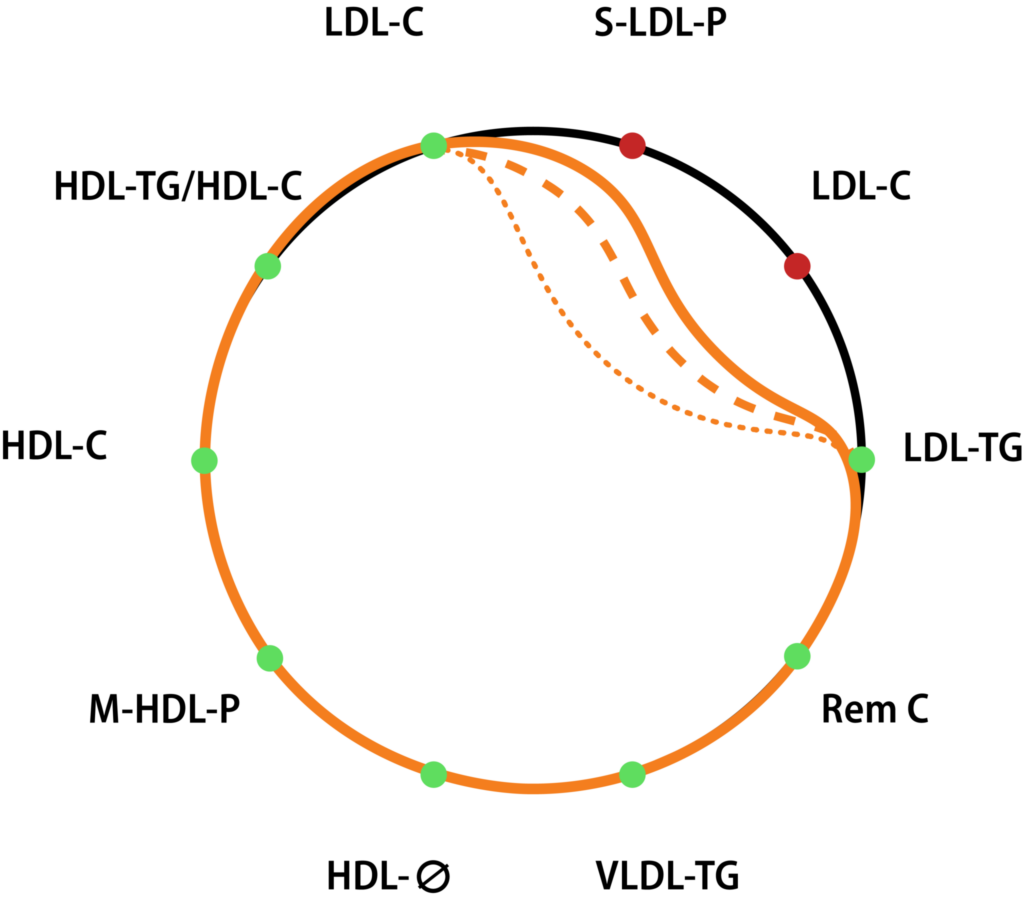
Visualizing cardiovascular risk in a single image As science advances, the amount of data generated to assess cardiovascular risk (CVR) continues to grow, including the composition, size, and number of lipoprotein subclasses. To make this wealth of information useful for rapid clinical decision-making, it is essential to have tools for visualization and interpretative summarization. The […]
The Number of LDL Particles: The Hidden Metric That Explains True Atherosclerotic Risk in Dyslipidemia
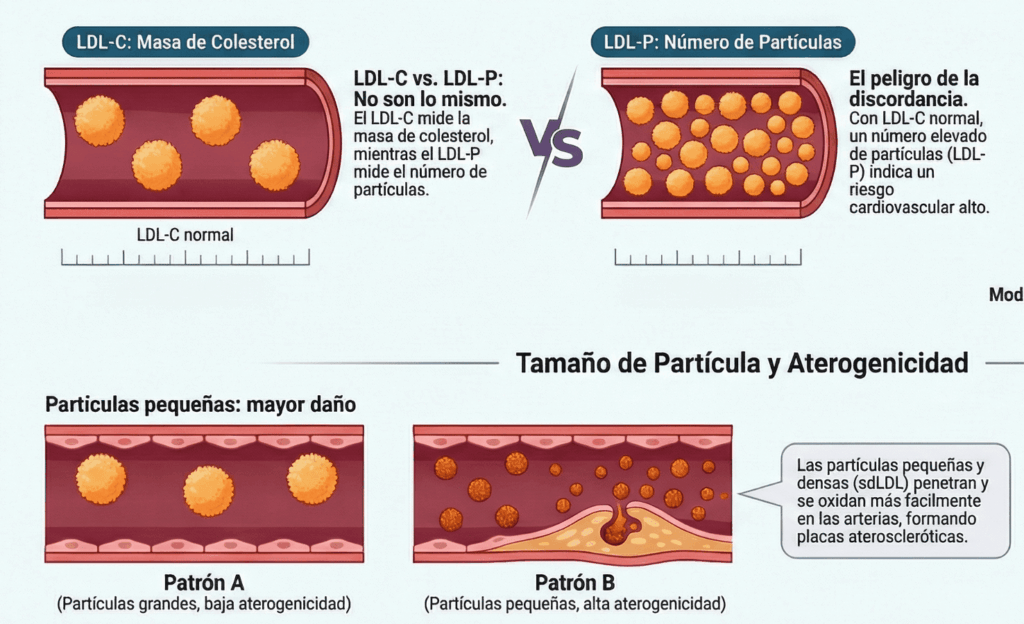
LDL-C as a Traditional Therapeutic Target Historically, LDL-C has been maintained as the primary therapeutic target in the prevention of atherosclerotic cardiovascular disease (ASCVD), with the goal of reducing its plasma concentration as much as possible. However, the prevalence of residual risk—even in patients with LDL-C levels within the optimal range—has compelled the scientific community […]
Low-Grade Inflammation and Glycoproteins: New Evidence After Metabolic Surgery
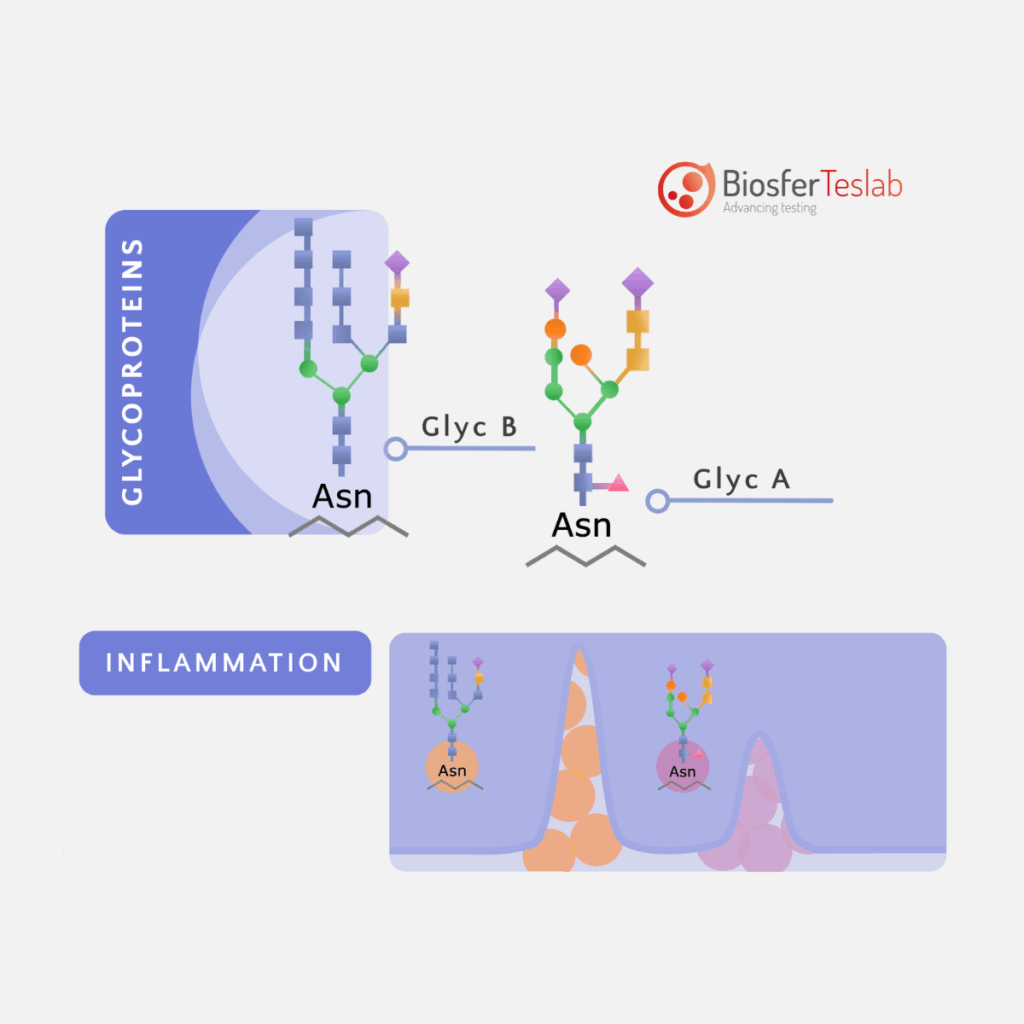
Low-Grade Inflammation: The Invisible Thread Connecting Obesity and Cardiometabolic Risk Obesity is not merely an excess of weight; it is a complex disease associated with a chronic, low-grade inflammatory state—silent yet persistent—that contributes to the development of type 2 diabetes, hypertension, fatty liver, and cardiovascular disease. This state arises from the expansion of adipose tissue, […]
Obesity Affects Men and Women Differently: New Insights into the Lipoprotein Profile
A recent study published in Lipids in Health and Disease (Santisteban et al., 2025) offers a new perspective on how sex and body mass index influence lipoprotein metabolism, even in individuals considered metabolically healthy. The research, authored by Victoria Santisteban(1,2), Anallely López-Yerena (1,3,4), Natàlia Muñoz-Garcia (1), Gemma Vilahur (1,5), Lina Badimon (1,5,6), and Teresa Padró […]
Gut microbiota and metabolism associated with CAR-T therapy response in multiple myeloma

Gut microbiota and metabolism associated with CAR-T therapy response in multiple myeloma A recent work published by Mireia Uribe-Herranz¹⁺², Aina Oliver-Caldés¹⁺³, Neus Martínez-Micaelo⁴, Marta Español-Rego², Maria Val-Casals¹⁺⁵, Roberto Martínez-Soler¹, Elisa Rubio-Garcia⁶⁺⁷⁺⁸⁺⁹, Valeria Brunello¹, Erik Z. Mihelic¹, Nela Klein-González¹⁺²⁺⁵, Daniel Benítez-Ribas², Núria Amigó⁴⁺¹⁰⁺¹¹, Andrea Vergara⁶⁺⁷⁺⁹⁺¹², Valentin Ortiz-Maldonado³, Luis Gerardo Rodríguez-Lobato¹⁺³, Julio Delgado³, Iñaki Ortiz […]
Triglycerides: More Than a Marker — A Driver of Cardiovascular Risk
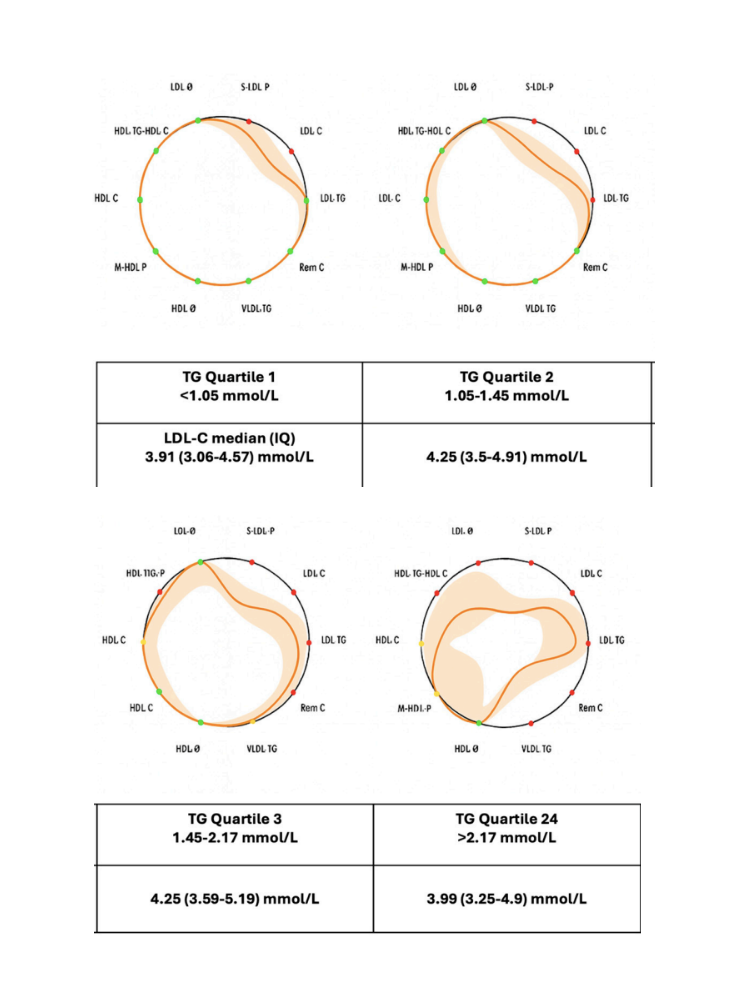
Triglycerides: More Than a Marker — A Driver of Cardiovascular Risk Introduction: The Residual Risk Beyond LDL Cholesterol For decades, LDL cholesterol has been considered the main enemy in cardiovascular prevention. However, numerous studies — including the FOURIER-OLE trial — have shown that even patients with extremely low LDL-C levels continue to experience […]