BiosferTeslab
Newsletter · Q3 2026
Third edition · 2026
Research, people & progress.
Welcome to the third edition of the Biosfer Teslab newsletter for 2026.
During the third quarter of 2026, Biosfer Teslab continued to make steady progress in research, innovation, and scientific collaboration. We strengthened our commitment to advancing precision medicine through the development of innovative solutions, the progress of strategic R&D&I projects, and the generation of new scientific knowledge.
This edition highlights some of the key achievements of the past few months, including advances in research initiatives, participation in national and international scientific events, new collaborations, and important milestones that continue to reinforce our role within the health innovation ecosystem.
We hope this third edition provides a valuable overview of our recent work and reflects our ongoing commitment to translating scientific excellence into real-world impact for research, healthcare, and society.
01 · Scientific activity
Scientific publications
Throughout 2026, Biosfer Teslab has continued to strengthen its scientific activity, contributing to new peer-reviewed publications that reflect our ongoing commitment to research, innovation, and scientific excellence.
These publications highlight the strength of our collaborative research and the continued advancement of NMR-based metabolomics, lipidomics, and precision medicine, contributing to the generation of high-quality scientific evidence with the potential to support better healthcare and patient outcomes.
Peer-reviewed research
01 · Roura S, Amigó N, Vives J.
Integrating Nuclear Magnetic Resonance into Bioprocess Control of Clinical-Grade Extracellular Vesicle Manufacturing.
J Extracell Vesicles. 2026 Jul;15(7):e70330.
doi: 10.1002/jev2.70330. PMID: 42377990; PMCID: PMC13317633.
02 · Di Giacomo Barbagallo F, González-Lleó A, Amigó N, Bosco G, Ibarretxe D, Piro S, Scicali R, Masana L.
Prevalence of elevated lipoprotein(a) levels and associated atherosclerotic cardiovascular diseases in subjects with metabolic disorders: A real-world study in a lipid unit. Clin Investig Arterioscler.
2026 Sep-Oct;38(5):500892. English, Spanish.
doi: 10.1016/j.arteri.2026.500892. Epub 2026 Jan 24. PMID: 41582061.
02 · R&D&I
New awarded projects
INNOVATOC
We are pleased to announce our participation in INNOVATOC (Innovative exploitation of PVAT-vascular crosstalk), a project funded under the HORIZON-MSCA-2026-SE-01-01 programme, aimed at developing new clinically validated biomarkers for atherosclerotic cardiovascular disease.
INNOVATOC investigates the role of perivascular adipose tissue (PVAT) in vascular inflammation and atherosclerosis through an international and interdisciplinary research approach.
The project will combine multi-omics data, LC-MS/MS-based assays and innovative organ-on-chip models to identify and validate novel biomarkers, improve cardiovascular risk prediction and support their future clinical application.
The consortium brings together 12 international partners from academia, healthcare, research centres and industry, fostering knowledge exchange and innovation in cardiovascular research.
PREBIS
We are pleased to announce our participation in PREBIS (International Staff Exchange for Preterm Birth Early Diagnosis and Prevention), a project funded under the HORIZON-MSCA-2026-SE-01-01 programme, aimed at advancing research on the early diagnosis and prevention of preterm birth.
Preterm birth remains a major cause of neonatal and infant mortality worldwide. PREBIS addresses this challenge through a multicentre, data-driven and patient-centred approach, combining biomarker research, artificial intelligence and innovative diagnostic tools.
Key innovations include the first digital twin of the uterus, new biomarkers for early screening, and AI-based predictive models to support more effective prevention and treatment strategies.
The PREBIS consortium brings together 22 organisations from 13 countries, connecting academia, healthcare and industry to foster international collaboration, knowledge exchange and innovation in maternal and neonatal health.
03 · People
Students & early talent
Growing talent at Biosfer Teslab
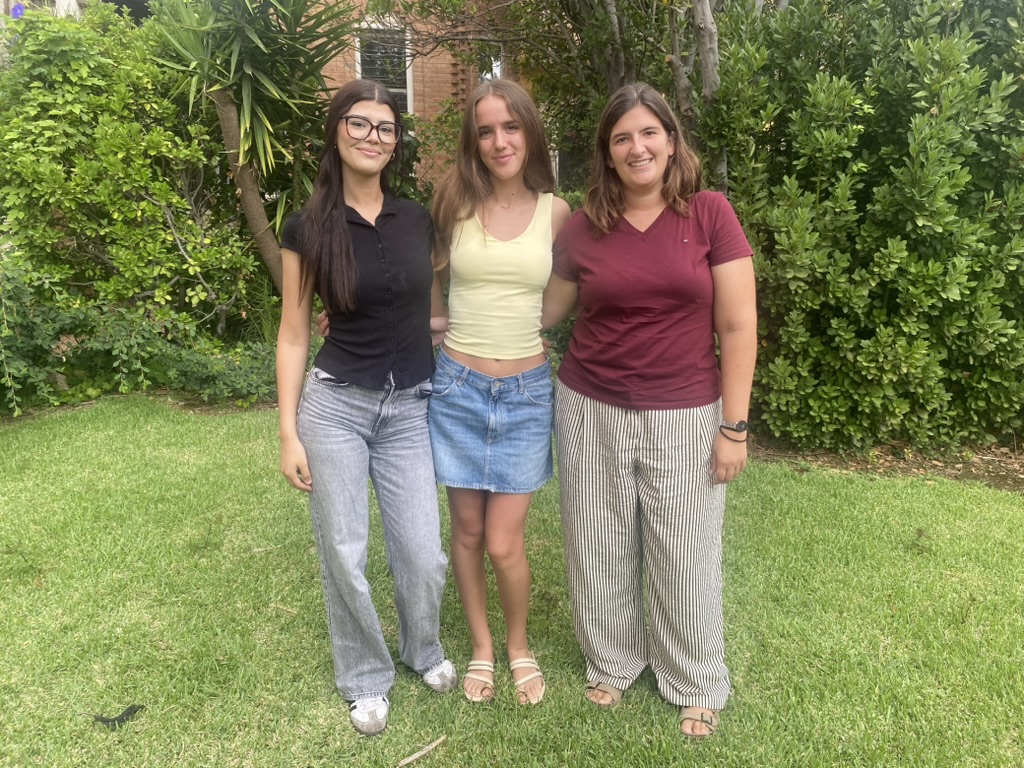
Salma Taounza · Executive Assistance
Hi! I’m Salma Taounza, and I’m currently studying a Higher Vocational Training Programme in Executive Assistance. I started my internship at Biosfer Teslab in July, where I support the Administration Department. I’m passionate about accounting, finance, and business administration, and I enjoy learning how companies organise and manage their daily operations. This internship gives me the opportunity to develop my skills, gain practical experience, and continue growing professionally.
Laia Calavera · Biomedical Engineering
I’m Laia Calavera, currently studying at University degree in Biomedical Engineering. I’m doing my internship at Biosfer Teslab which I started in July, and I will be here until September. I will also do my TFG here. I’m very interested about health and engineering fields, and I’m thankful that this internship combines both, so I can have a better vision about what I would like to do in the future and how it is like to work in a company.
Alba Amat · Biotechnology
I’m Alba Amat, a biotechnology student. I started my internship at Biosfer Teslab in July and will be here until October. I’m particularly interested in applying biotechnology in areas related to health and laboratory research. This opportunity allows me to develop practical skills, learn from experienced professionals and continue growing both personally and professionally.
04 · International collaboration
Outgoing seconded researcher
From Biosfer Teslab to Trento: advancing multi-omics research through CARDIOSCOPE
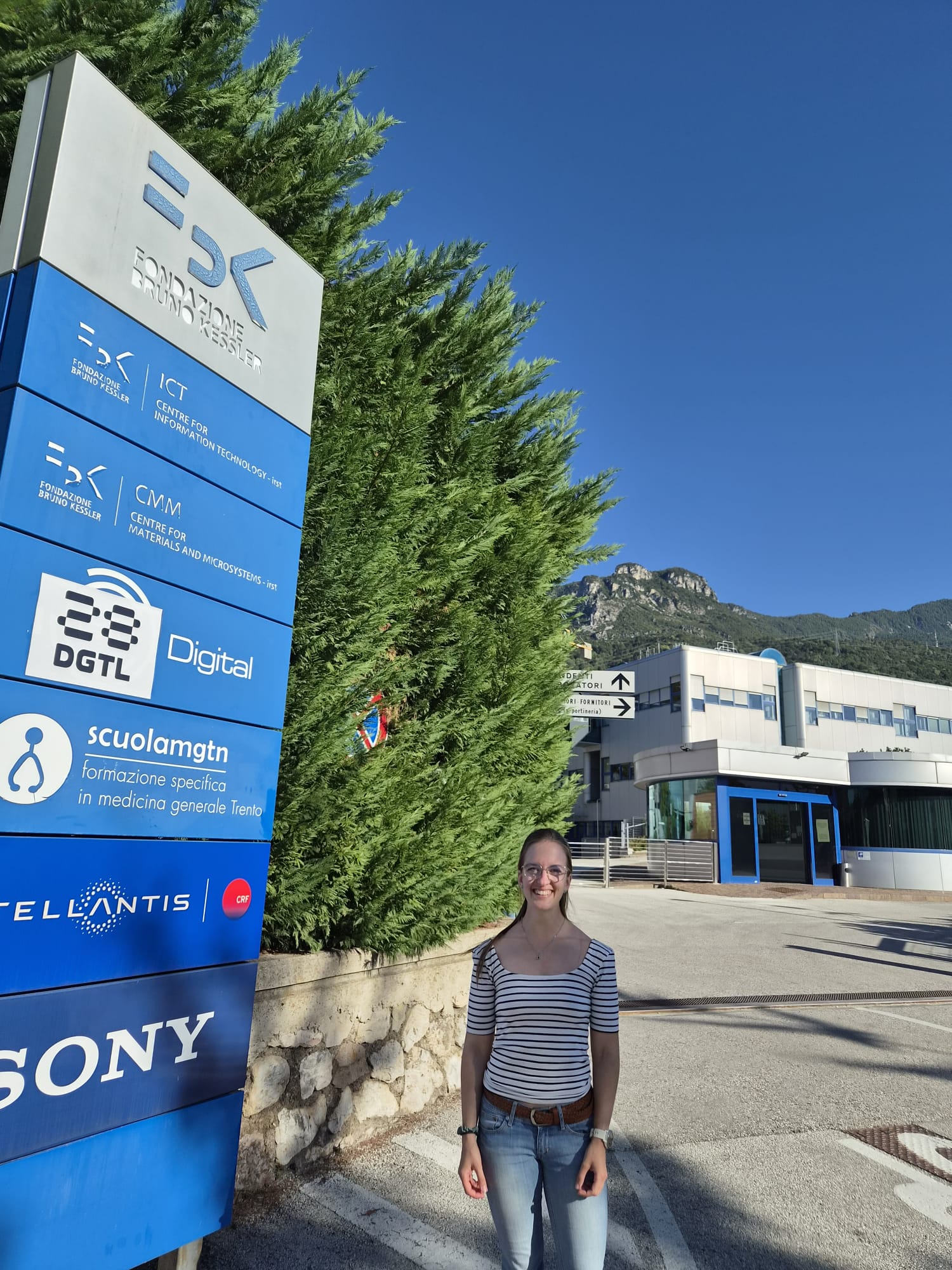
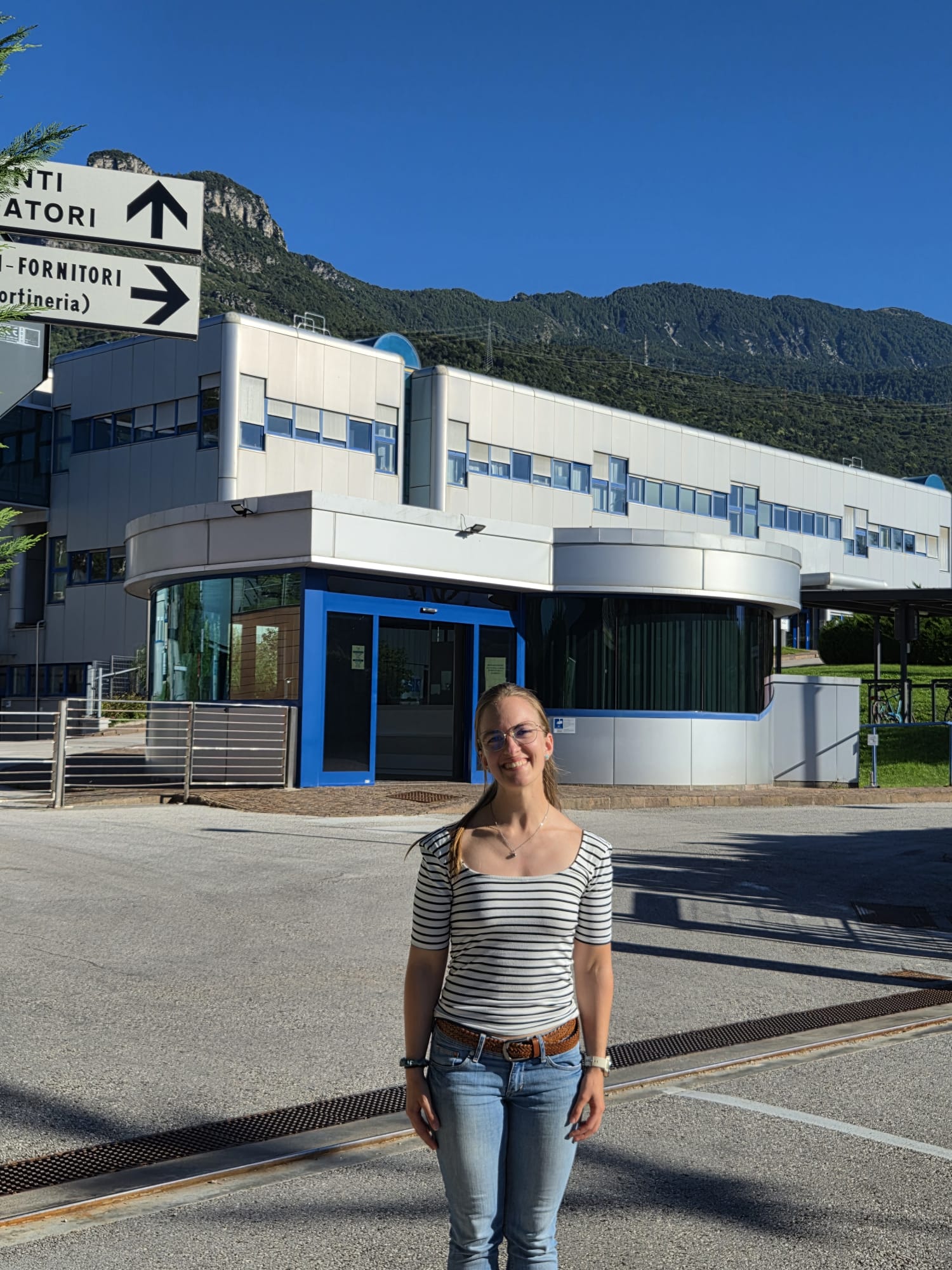
Our PhD researcher Jara Ballestin has started a three-month secondment at Fondazione Bruno Kessler (FBK) in Trento, Italy, within the framework of the CARDIOSCOPE project.
With a background in Molecular Cell Biology, Bioinformatics and Biostatistics, Jara’s PhD research at Biosfer Teslab focuses on the integration of metabolomics and genomics data to better understand disease-related biological processes and contribute to improved diagnostic approaches.
During her time at FBK, she will further explore multi-omics data integration and computational approaches, strengthening the connection between biological data, bioinformatics and precision medicine.
This secondment reflects one of CARDIOSCOPE’s core objectives: fostering knowledge exchange, international collaboration and interdisciplinary research across European institutions.
We wish Jara a productive and inspiring experience in Trento!
05 · Team
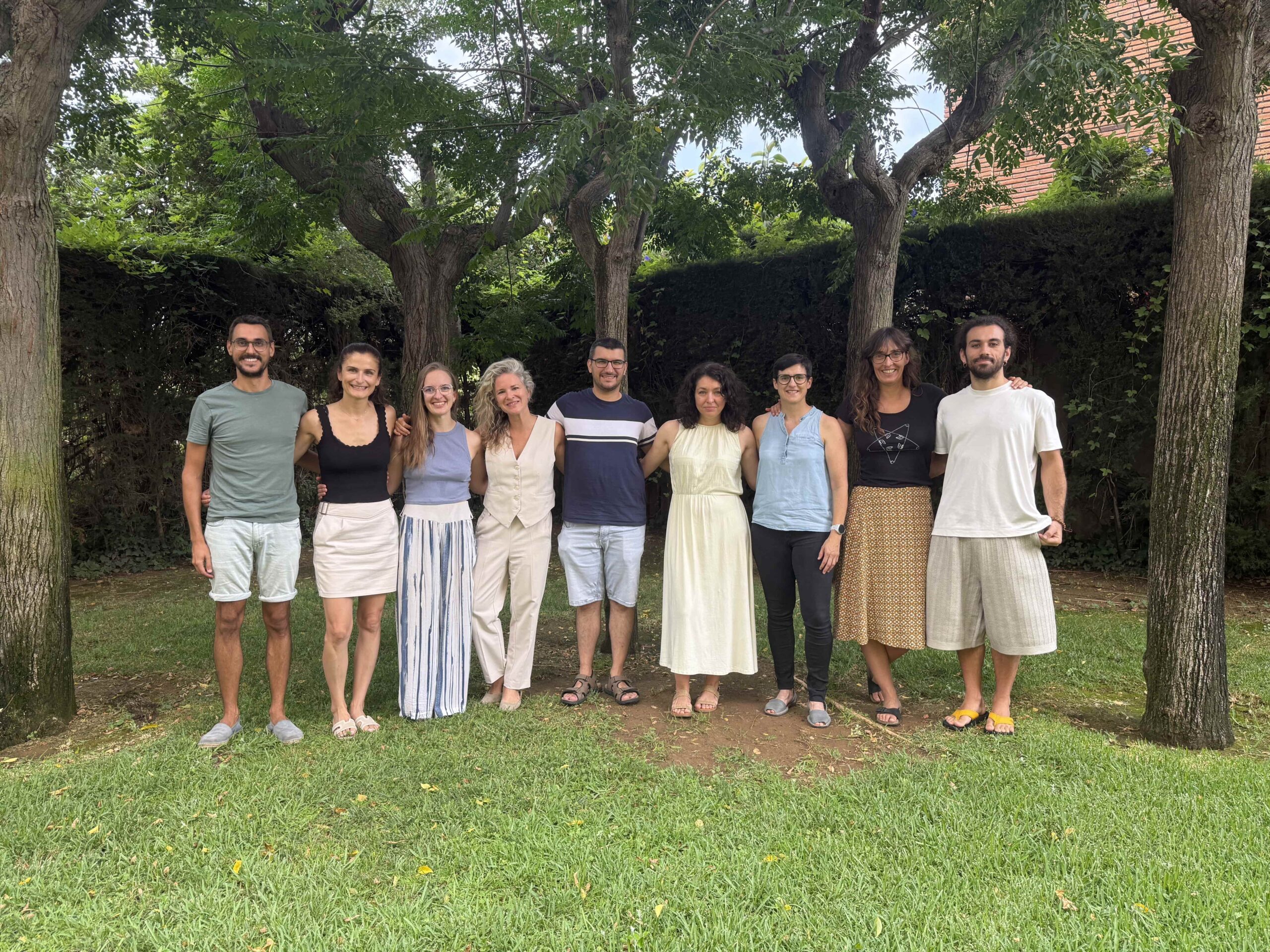
Welcome to the team
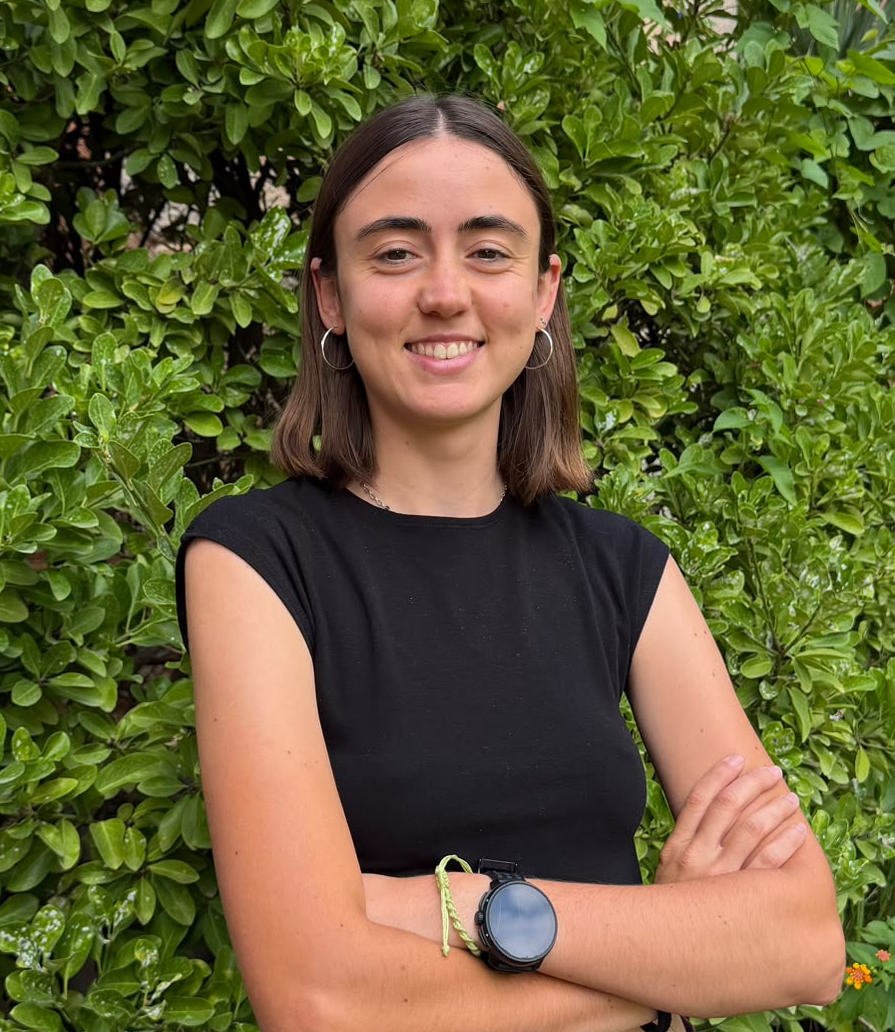
Paula Maixé Brull
My name is Paula Maixé Brull, and I hold a degree in Biomedical Engineering from Universitat Rovira i Virgili, including an Erasmus exchange at Politecnico di Bari in Medical Systems Engineering and Computer Engineering. I have also completed a Master’s in Artificial Intelligence and Data Engineering at UNIR.
I have gained research experience at Hospital Universitari Sant Joan de Reus, where I worked with the Radiotherapy and Medical Physics departments, implementing machine learning and radiomics models to predict treatment response. I have also worked at Ten Software and as a researcher at IRBCatSud, developing deep learning algorithms for the detection of genetic alterations and screening tools for neurodevelopmental disorders.
I have developed a strong interest in applying data science and artificial intelligence to healthcare, and I am now starting a PhD at Biosfer Teslab. My research will focus on using computational and AI-based approaches in the clinical field, contributing to projects aimed at advancing healthcare innovation and improving patient care.
06 · Visiting research
Visiting PhD researcher
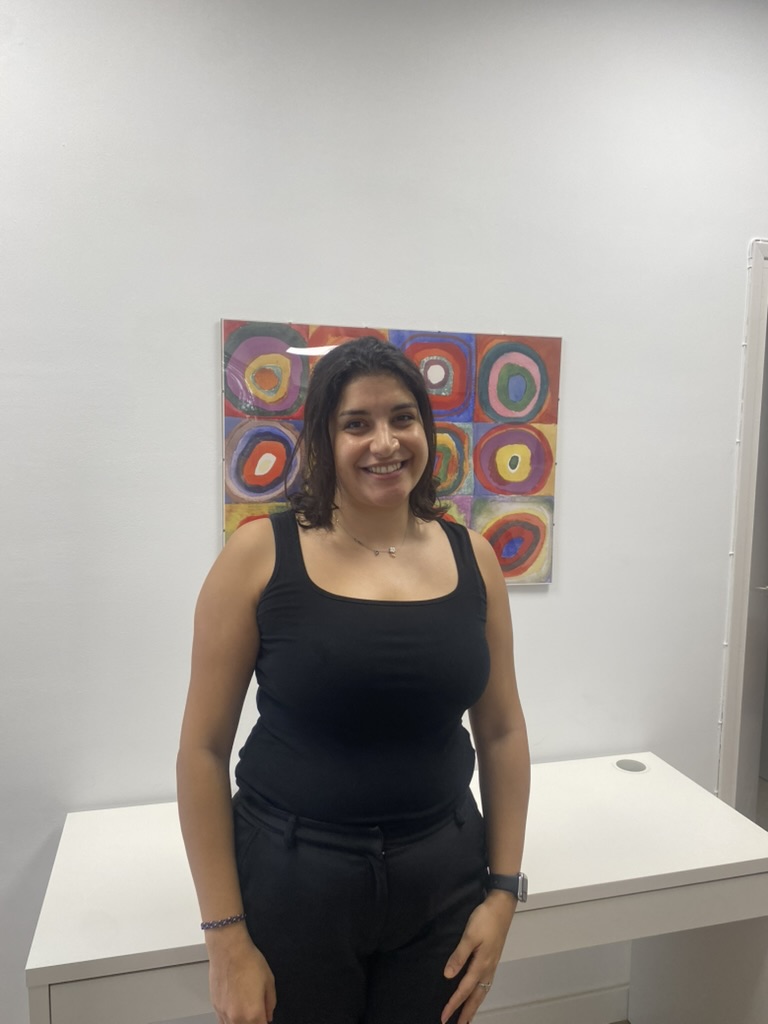
Reham Hattab
My name is Reham Hattab, and I hold a degree in Pharmacy and Pharmaceutical Chemistry from Tishreen University, Syria, as well as a Master’s degree in Safety Assessment of Xenobiotics and Biotechnological Products from the University of Milan, Italy.
During my academic and research training, I have developed experience and a growing interest in pharmaceutical and biomedical research, combining computational and experimental approaches.
I am currently pursuing my PhD at the University of Milan, in collaboration with Truffini & Reggè Farmaceutici, with part of my research carried out at Biosfer Teslab.
My PhD focuses on cardiometabolic disease management through complementary therapeutic and diagnostic approaches, including the investigation of nutraceutical strategies and molecular modelling of therapeutic targets, alongside NMR-based metabolomics and machine-learning approaches for lipoprotein profiling and cardiovascular risk assessment.
07 · Scientific community
Events and conferences
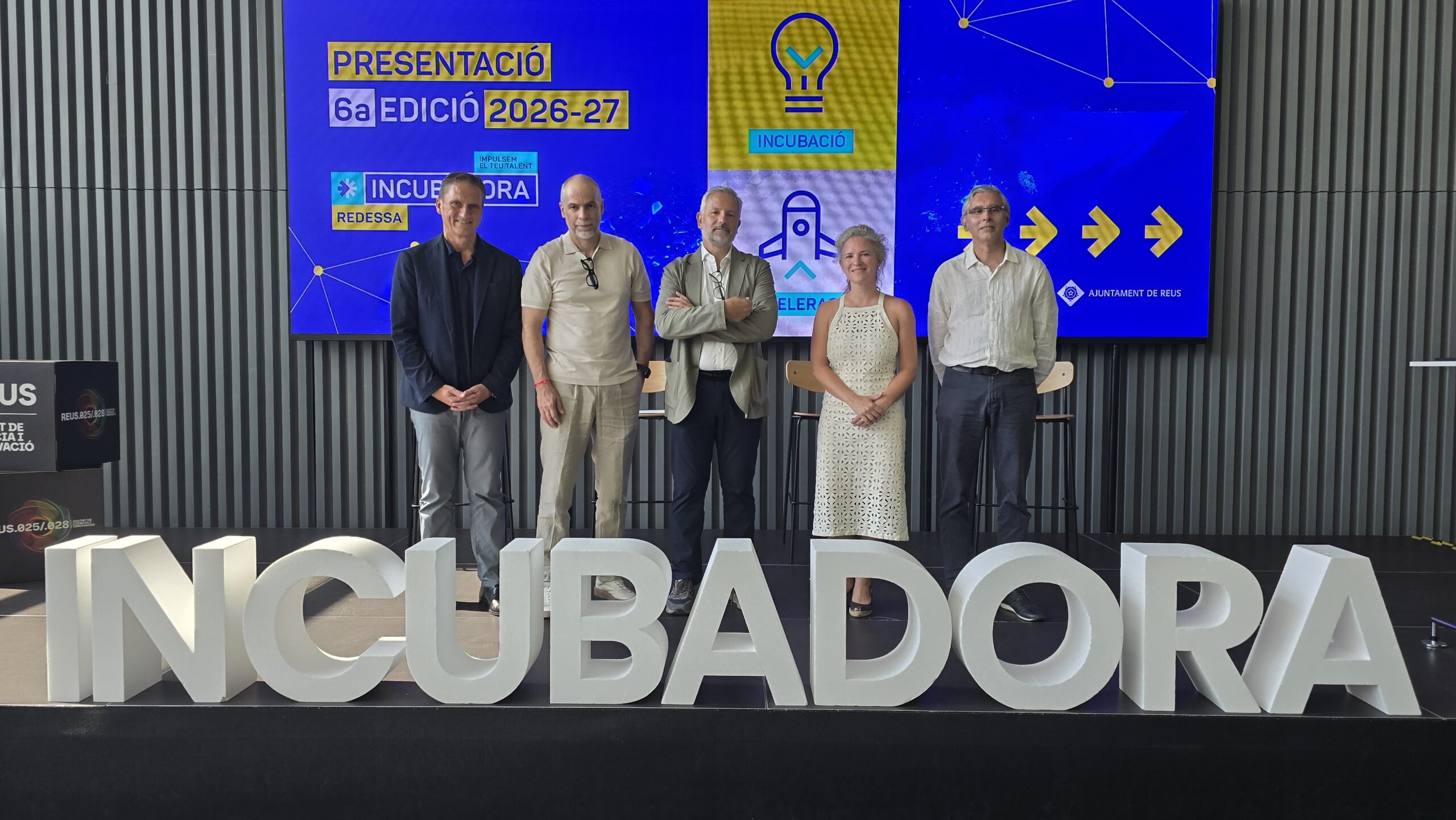
08-07-2026
REDESSA Incubator
Núria Amigó participated in the presentation of the 6th edition of the REDESSA Incubator, where she was announced as one of the mentors of the new acceleration programme. The initiative aims to support the growth of innovative companies in Reus through personalised mentoring, knowledge transfer, and collaboration between industry, academia, and the healthcare sector.
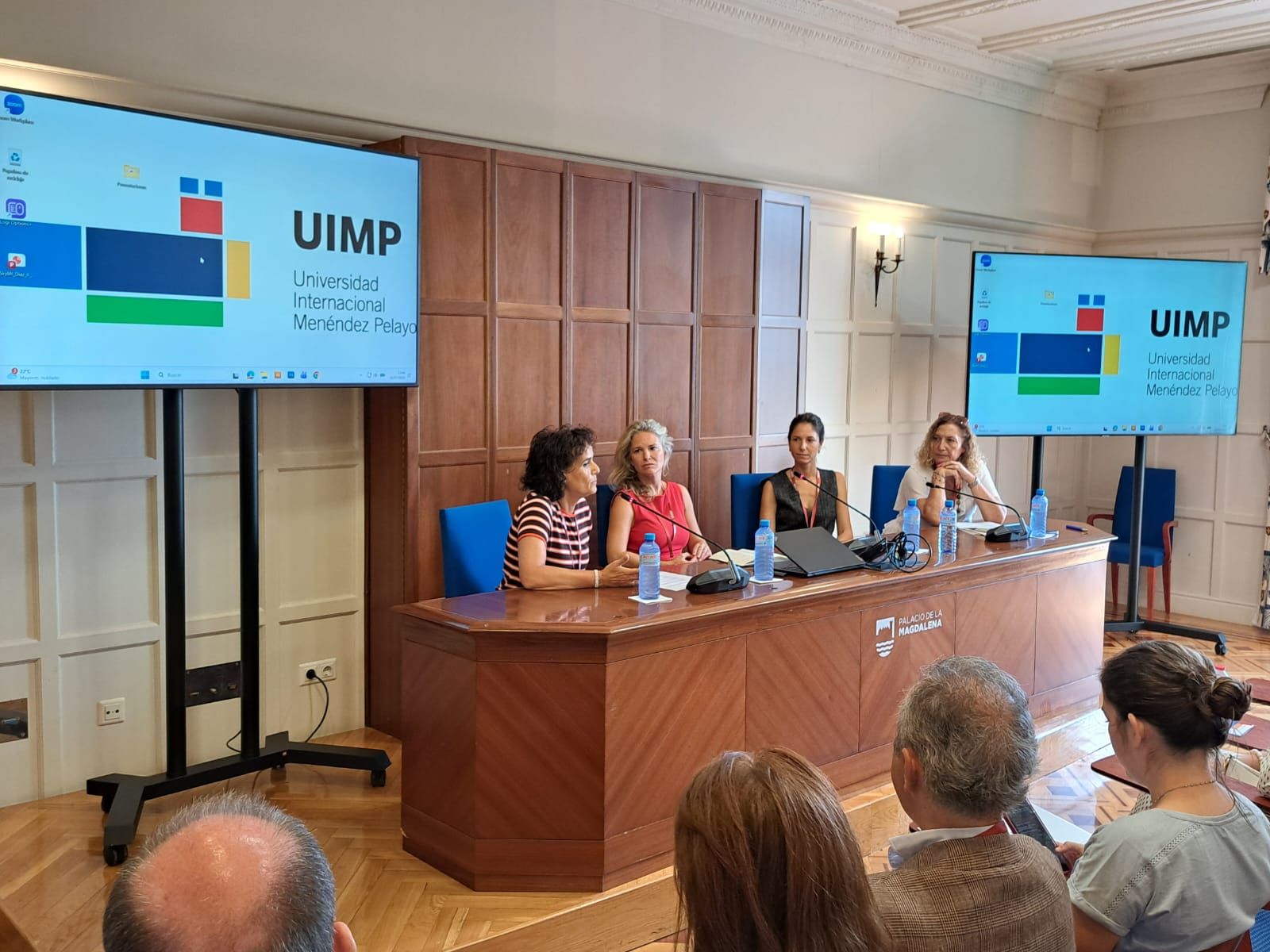
16-07-2026
UIMP Summer Seminar
Núria Amigó attended the UIMP Summer Seminar in Santander, focused on the strategic role of Industrial Property and intangible assets in driving innovation and competitiveness. The event brought together experts from academia, industry, and public institutions to discuss intellectual property, technology transfer, and innovation management, fostering the exchange of knowledge and best practices.
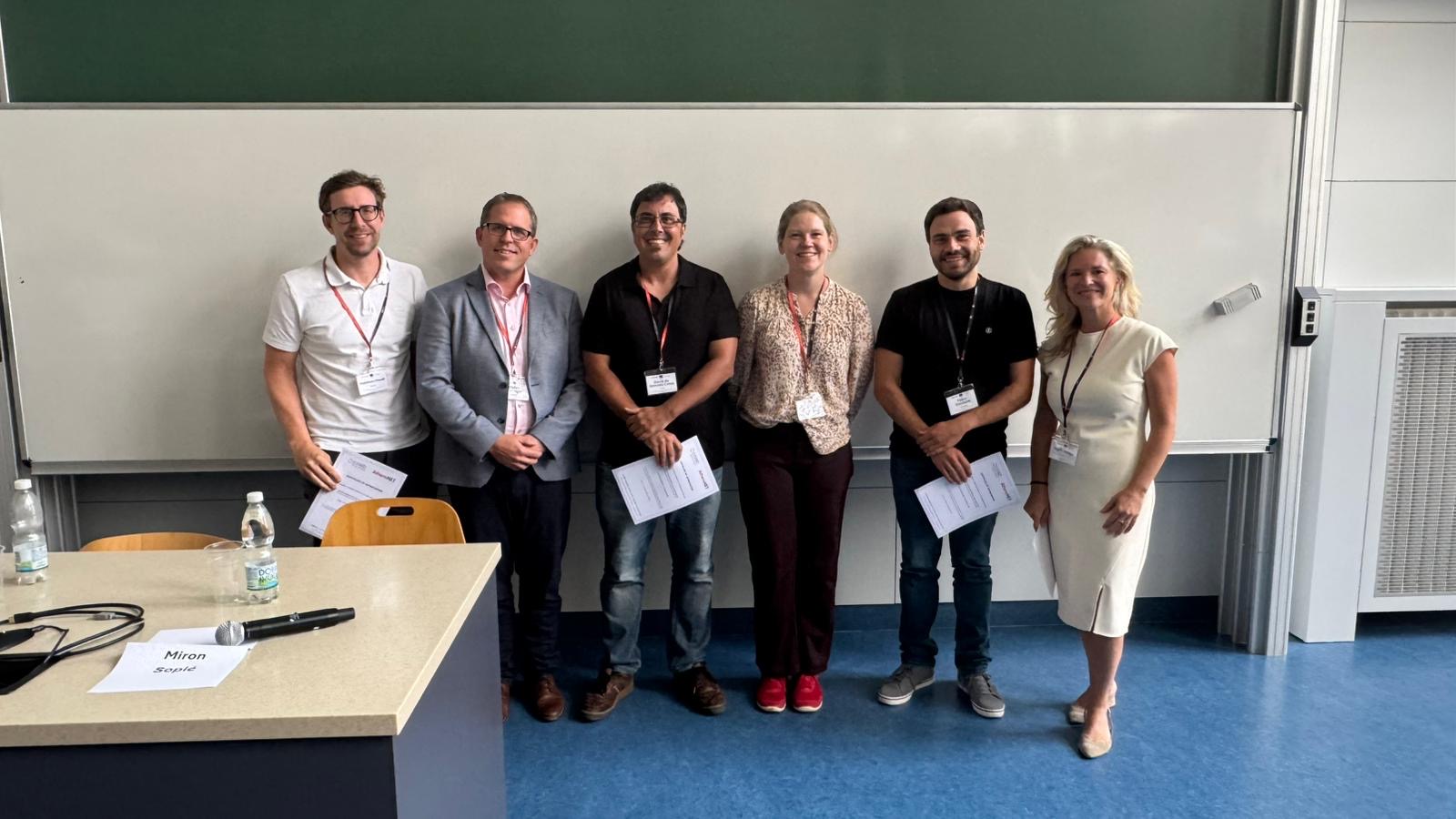
21-09-2026
AtheroNET COST Action
Núria Amigó attended the 5th Management Committee and Working Group Meeting of COST Action AtheroNET in Prague, focused on advancing new approaches to understanding and diagnosing atherosclerosis. The event brought together European researchers to discuss cardiovascular risk, omics-based approaches, standardisation, and AI-driven methods, fostering scientific exchange and collaboration across the network.
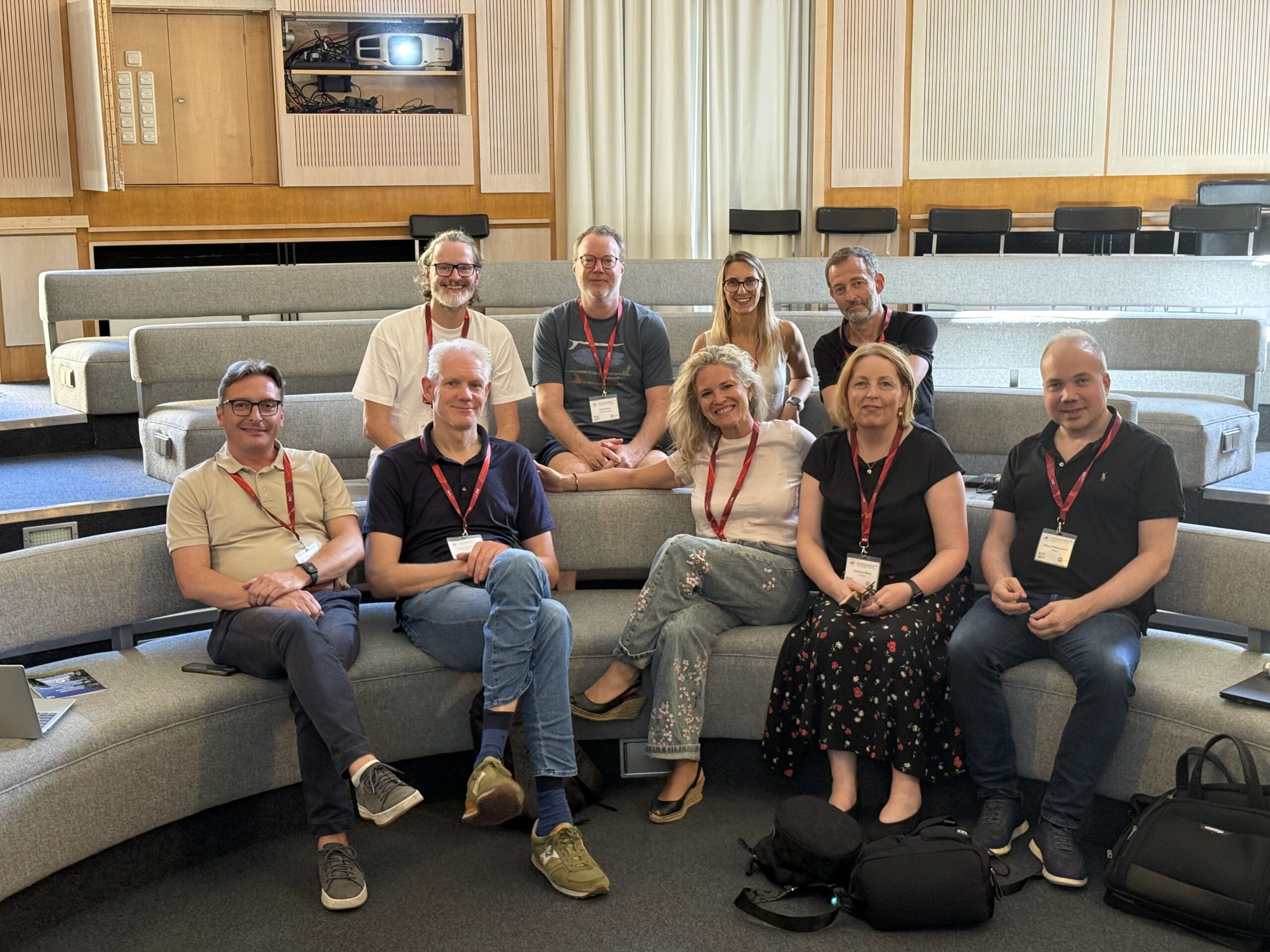
7-09-2026
European Lipoprotein Club
Núria Amigó took part in the 49th European Lipoprotein Club Scientific Meeting in Tutzing, Germany, focused on the latest advances in lipid and lipoprotein research and their impact on cardiovascular and metabolic health. The meeting brought together leading experts to exchange knowledge and strengthen collaboration in the field.
Thank you for being part of our journey. Together, we continue transforming science into impact. As we approach the final months of 2026, we look forward to sharing more of our progress and achievements with you in the final edition of our newsletter later this year.