



Interactions: Drugs and Foods to Avoid with Vibramycin
Antacids and Minerals That Block Doxycycline Absorption A rushed morning ritual can sabotage treatment: that quick antacid or mineral supplement often feels helpful, but it can trap your antibiotic and prevent it from working — a minty chewable. Calcium, magnesium, aluminum and iron bind the medicine in the gut, lowering absorption; separating doses by two to four hours preserves effectiveness, especially with chewable antacids or fortified waters. Read labels, avoid simultaneous antacids or mineral supplements, and consult your pharmacist for a safe schedule that keeps therapy strong. If symptoms persist, seek medical advice promptly and record timing.
Substance Recommended Action Calcium/Magnesium/Aluminum/Iron Separate dose by 2–4 hours
Calcium Rich Foods and Dairy When to Separate
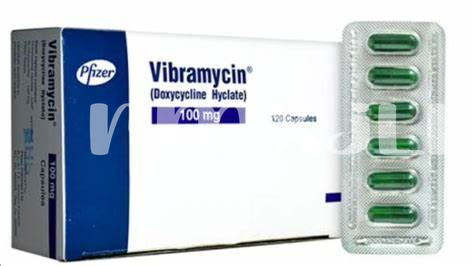
Imagine taking a small white pill before breakfast, then pouring a glass of milk and watching its benefit slip away; calcium can bind doxycycline and lower blood levels. To keep vibramycin effective, aim to take the antibiotic at least one to two hours before consuming dairy or calcium-fortified foods, or wait four to six hours after eating high-calcium meals.
Smart scheduling matters: if you rely on calcium supplements, consider shifting them to a different part of the day or discussing alternatives with your clinician. Small changes prevent treatment failure and unnecessary retreatment. Also remember antacids and mineral supplements may behave similarly, so mention all over-the-counter products when your prescriber reviews your medication list and timing.
Iron Supplements and Multivitamins Lower Drug Absorption
Imagine taking a few pills each morning only to find your antibiotic isn’t doing its job. Minerals like iron and multivitamin tablets containing iron or zinc can bind to doxycycline in the gut, forming complexes that prevent proper absorption of vibramycin. The result may be reduced blood levels and a risk of treatment failure or resistance.
To avoid this, schedule your doses apart: take vibramycin at least two hours before or four hours after mineral-containing supplements, and check multivitamin labels for iron, zinc, or calcium. If you rely on daily supplements, talk with your prescriber or pharmacist about timing or alternative formulations to keep the antibiotic effective. Always report any unusual symptoms while taking treatment.
Blood Thinners and Antibiotics Increase Warfarin Bleeding Risk

Imagine reaching for a routine antibiotic and suddenly facing an unexpected bleed; that’s the real concern when doxycycline (vibramycin) meets warfarin. Antibiotics can increase warfarin’s effect by altering liver metabolism and reducing gut vitamin K, raising INR unpredictably.
Case stories show patients needing dose changes or extra monitoring after starting doxycycline. Interactions vary with individual metabolism, other drugs, and the antibiotic dose, so outcomes can shift from harmless to dangerous fast without checking INR.
Always tell your prescriber if you take warfarin before starting vibramycin; they may order closer INR checks, lower your dose, or choose a different antibiotic. Watch for unusual bruising, nosebleeds, dark stools, and seek prompt medical attention if bleeding appears immediately.
Retinoid Medications Combined with Tetracyclines Raise Risk
A patient story helps: a young adult started a course of doxycycline for acne and later began a retinoid. Within days headaches and vision changes sparked alarm, showing how interactions can be subtle but serious.
Clinicians warn that combining systemic retinoids with tetracyclines like vibramycin may raise the risk of intracranial hypertension. Patients should report headaches, nausea or visual disturbances immediately.
| Sign | Action |
|---|---|
| Headache | Stop drug and seek care |
Do not self-combine treatments; dermatologists often coordinate timing to avoid overlap. If treatment overlap is unavoidable, clinicians will monitor symptoms and may order fundoscopy or imaging.
Always tell providers about current medications, including supplements, to ensure safety and reduce risk when antibiotics like vibramycin are prescribed.
Sun Exposure and Photosensitizing Drugs Heighten Skin Reaction
A bright beach day became alarming for Maria when her doxycycline treatment turned a harmless sunburn into a painful, blistering rash.
Photosensitivity is a documented effect; even brief sun exposure can trigger intense redness. Use broad spectrum sunscreen and cover up.
If you develop blistering, swelling, or eye irritation, stop the medication and call your clinician immediately. Avoid tanning beds and harsh lamps.
Take precautions during treatment and for several days after. Discuss alternatives with your clinician if sun exposure is unavoidable. More online details and prevention: FDA label, MedlinePlus.