




Tapering Neurontin: How to Avoid Withdrawal
Create a Personalized Taper Plan with Your Clinician Working with your clinician turns tapering into a tailored plan. Share your history, symptoms, sleep patterns and medication responses so adjustments match your needs and reduce surprises over predictable time. Begin with small dose reductions and allow weeks between changes; your clinician will monitor withdrawal signs and adjust pace. Expect setbacks, and treat them as informative data guiding the plan. Ask for a written schedule, clear contact steps for troubling symptoms, and contingency options like slower tapering or temporary pauses. Collaborative planning builds safety, trust, and better long-term outcomes overall.
Reduce Dosage Gradually to Minimize Withdrawal Symptoms
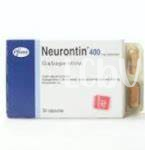
When I first began tapering off neurontin, the slow, steady approach felt like walking down a staircase rather than jumping from a roof. Small reductions—often 10% to 25% at intervals set with your clinician—allow the brain time to adapt, lowering the chance of jolting withdrawal. Track doses and symptoms daily to guide adjustments.
Expect occasional sleep disruption, anxiety, or flu-like sensations; these signals often indicate the pace needs slowing. Communicate openly with your prescriber, who can recommend lengthening each step or temporary holds. Complement the taper with behavioral supports like sleep hygiene, paced breathing, and gentle exercise. Patience and consistent logging transform an uncertain process into a manageable plan that honors recovery and steady progress.
Recognize Early Withdrawal Signs and When to Act
Your body may signal it's missing neurontin long before the situation becomes urgent. Early clues include rising anxiety, trouble sleeping, tremor, sweating, nausea, dizziness, and unusual sensory feelings like tingling or brief electric shock sensations. These often start within days of a dose reduction; keeping a simple symptom log helps track patterns so you and your clinician can tell normal fluctuation from a worrying trend.
Act promptly if symptoms rapidly intensify, if you experience severe agitation, suicidal thoughts, or any seizure-like activity — contact your prescriber or emergency services. For less severe but persistent problems, reach out to adjust the taper, consider short-term supportive treatments, and involve family or a trusted friend to monitor changes.
Use Non-drug Coping Strategies for Anxiety and Sleep

After tapering off neurontin, Jane found nights longer and thoughts louder; she learned small habits could steady her. Starting with short breathing exercises and a daily walk, the nervous energy eased. Framing each day with structure helped anxiety feel manageable.
Concrete tools made a difference: grounding exercises (5–4–3–2–1), progressive muscle relaxation, brief cognitive restructuring and a ‘worry period’ kept catastrophizing in check. Regular journaling, limiting caffeine, and a daily movement habit reduce baseline arousal and build resilience over weeks with patience.
For sleep, a strict bedtime routine, dim lights, cool environment and no screens an hour before bed reset circadian cues. Short naps avoid daytime sleepiness; if insomnia persists, seek clinician support about CBT-I or adjuncts.
Consider Adjunct Medications under Medical Supervision If Necessary
During tapering, some clinicians may suggest short-term medications to ease specific symptoms. A personal story: a patient relieved severe insomnia with brief, monitored intervention. Always discuss risks, benefits, and clear stopping plans together with neurontin.
Clinicians may use short courses of benzodiazepines or sleep aids, or prescribe antidepressants for anxious rebound. Dosing should be minimal, time-limited, and regularly reviewed. Never add new drugs without informed, documented consent from your clinician.
Pharmacologic help can ease transition but carries risks: dependence, interactions, and withdrawal of its. Track symptoms in a journal and schedule frequent check-ins so dose adjustments are based on objective changes rather than panic-driven choices.
If temporary medication is advised, ask about tapering that adjunct too. Shared decision-making, written plans, and emergency contacts reduce anxiety. A balanced, supervised approach preserves safety while supporting gradual independence from long-term pharmacologic reliance effectively.
| Adjunct | Typical purpose |
|---|---|
| Benzodiazepine (short-term) | Manage severe acute anxiety under close supervision |
| Hypnotic | Short-term relief for insomnia during transition |
| Antidepressant | Treat rebound anxiety or mood symptoms when indicated |
Build Support Systems and Monitor Progress Consistently
Tell a trusted friend or family member about your taper and what to expect; sharing goals reduces isolation and provides accountability.
Schedule regular check-ins with your clinician and track symptoms in a simple journal to spot trends early.
Join a support group or online community where others describe coping strategies—learning from peers normalizes setbacks and successes.
Use objective measures like sleep logs and mood scales during follow-up; adjust the plan collaboratively, involve caregivers when needed, and celebrate small milestones to maintain perspective and prevent relapse over time consistently. MedlinePlus NCBI