




Athletes and Lopressor: Effects on Performance
How Beta Blockers Alter Heart Rate during Training During a track interval I noticed my pulse stayed unusually steady; beta blockers reduce sympathetic input, lowering both resting and exercise heart rates. This reduces peak cardiac output; because heart rate helps maintain cardiac output, maximal oxygen delivery and high-intensity work may be significantly limited. Athletes often report lower perceived exertion at moderate pace, yet time to exhaustion and peak power can notably decline during all-out efforts. Monitoring heart rate response, using perceived effort scales, and consulting sports medicine professionals helps athletes balance training benefits against cardiovascular limitation and safety.
Effect Practical note Reduced HR Monitor exertion, adjust intensity
Strength Endurance and Beta Blocker Performance Tradeoffs

On race mornings, athletes notice quieter pulses and steadier breathing after taking lopressor, but that calm comes with a metabolic price: reduced peak cardiac output limits heavy lifting, sprint demands.
Endurance benefits come from lower heart rates improving efficiency during steady-state efforts, yet prolonged high-intensity intervals reveal slower recovery and earlier fatigue in muscle recruitment patterns compared to baseline pacing.
Coaches weighing lopressor must balance strategic gains in composure and precision against measurable declines in maximal power output; individualized testing and sport-specific trials decide whether tradeoffs are acceptable for athletes.
Reaction Time Focus and Cognitive Effects Understood
Imagine standing at the starting line while a surge of adrenaline tightens your muscles; lopressor blunts that rush, lowering heart rate and sympathetic arousal. That steadiness steadies hands and reduces tremor during fine motor tasks, but the same dampening may slow reaction times and the speed of shifting attention. Athletes report clearer calm yet sometimes delayed initiations in fast, unpredictable sports.
Clinically, metoprolol’s cognitive effects depend on dose, timing, and individual sensitivity: low doses may preserve vigilance while higher doses increase mental fatigue and slow information processing. Coaches must weigh improved composure against potential microsecond delays in decision-making, using monitored trials and objective reaction-time testing to decide if benefits to accuracy outweigh losses in speed.
Safety Dosing and Side Effects for Competitors
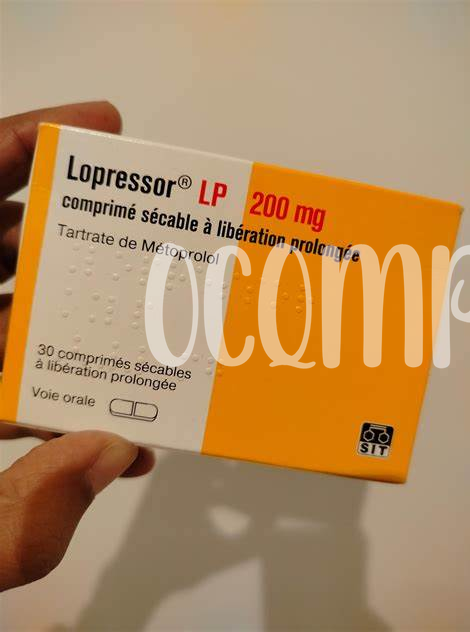
An athlete considering lopressor needs a clear risk–benefit conversation with a clinician. Dosing for performance-related use is individualized; even low doses can blunt heart-rate responses and mask exertion.
Common side effects include fatigue, dizziness, cold extremities, hypotension and bradycardia. These effects may reduce endurance, impair heat tolerance, and increase risk during high-intensity or dehydrating conditions.
Monitoring vital signs, ECGs when indicated, and gradual dose titration help manage safety. Athletes should avoid combining beta blockers with other depressant drugs or alcohol.
Shared decision-making must weigh competitive goals, side-effect tolerance, and anti-doping rules. Emergency plans for syncope or severe bradycardia, and regular reassessment during training cycles, are essential to protect both performance and health and long-term well-being.
Competition Regulations Testing and Therapeutic Use Exemptions
An athlete weighing options may discover that regulatory lists and random testing shape choices in subtle ways; using lopressor without approval can lead to sanctions, so clear documentation matters.
Teams, physicians, and lawyers often collaborate to secure permissions or therapeutic exceptions, balancing health needs against fairness and public scrutiny.
| Agency | Focus |
|---|---|
| WADA | Prohibited list, testing |
| IOC | Event rules |
Athletes should maintain transparent medical records, seek preapproval when possible, and discuss alternatives with their care team to minimize risk while preserving competitive integrity and personal safety and document every treatment decision.
Practical Guidance Monitoring Alternatives and Shared Decisions
An athlete starting on Lopressor should approach treatment like a coach plans practice: baseline assessment comes first — resting and exercise blood pressure, heart rate, ECG and a review of sport rules and testing implications. Regular monitoring with a wearable or supervised exercise test helps detect performance-limiting bradycardia or hypotension; dose timing can be adjusted around training to reduce unwanted fatigue while preserving therapeutic benefit. Open communication with medical staff ensures any symptoms are documented and acted on.
Consider alternatives through collaborative decision-making: when performance compromise occurs, clinicians and athletes can explore lower doses, different beta blockers with less central nervous impact, or non-pharmacologic options such as graded biofeedback, breathing techniques, and tailored conditioning. Decisions should balance health priorities, anti-doping rules, and competition goals; document rationale and consider a therapeutic use exemption if needed, with reassessment to optimize safety and function. FDA Lopressor label MedlinePlus — Metoprolol