



Lariam Safety: Neuropsychiatric Concerns and Evidence
Why Lariam Sparks Neuropsychiatric Safety Debates Early adopters of the drug described vivid, sometimes alarming behavioral changes that seeded public anxiety. Anecdotes spread quickly through travelers, amplifying fears beyond isolated clinical reports and regulatory notes. Scientific investigations yielded mixed findings: case series and pharmacovigilance databases flagged psychiatric events, while randomized trials often reported low incidence and methodological limitations that muddied interpretation and regulatory scrutiny. Media coverage and litigious cases intensified debate, forcing health agencies to balance rare but serious reports against the drug’s effectiveness in malaria prevention and limited alternative options available. Clinicians now face nuanced decisions: assessing patient history, weighing benefits for travel medicine, and discussing potential neuropsychiatric risks so individuals can make informed choices with appropriate monitoring and follow-up.
Source Signal Anecdotes / case reports Notable Randomized trials Inconsistent Pharmacovigilance Signal present
Clinical Evidence: Psychiatric Side Effects Summarized
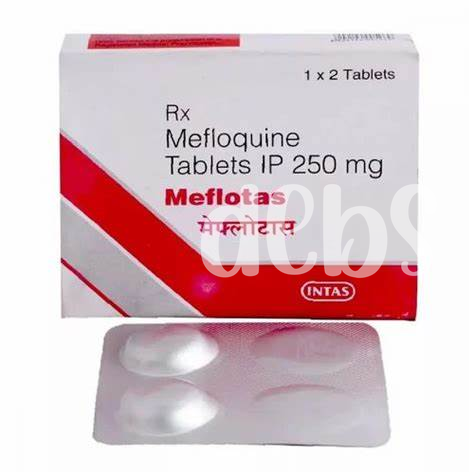
Across randomized trials, case reports and pharmacovigilance databases, lariam has been linked to a spectrum of psychiatric reactions—from vivid nightmares, anxiety and mood changes to rare but severe psychosis and suicidal behavior. Controlled studies often reported low absolute rates, while post-marketing surveillance highlighted unpredictable, idiosyncratic events, sometimes occurring in previously healthy people. The evidence is a mix of modest trial signals and more striking observational anecdotes, which together fueled concern among clinicians and regulators.
Clinically, this means careful screening, clear patient counseling and rapid discontinuation if severe symptoms emerge; alternative prophylactics should be considered for those with psychiatric histories or high-risk profiles while balancing malaria risk. Document and report events to improve safety data worldwide.
Risk Factors That Heighten Lariam Adverse Reactions
A traveler with prior psychiatric illness may notice changes quickly; studies suggest mood disorders and psychosis history raise vulnerability after lariam. Even mild prior episodes can predict severe reactions.
Other contributors include sleep deprivation, substance use, and concurrent medications (especially mefloquine), which can amplify neuropsychiatric responses. High stress and rapid altitude gain during travel may increase susceptibility.
Age extremes, female sex, and genetic differences in drug metabolism also shape risk; careful screening and alternative prophylaxis reduce harm. Genetic testing is not routine but may explain idiosyncratic toxicity in case reports.
Comparing Lariam with Other Antimalarial Options

Travelers often choose among antimalarials with distinct safety and dosing profiles. lariam carries a notable history of neuropsychiatric reports, while alternatives such as atovaquone‑proguanil, doxycycline, and chloroquine differ in tolerability, cost, and resistance patterns. Choosing requires weighing individual vulnerabilities against regional efficacy and practical accessibility.
Randomized trials show similar protection where parasites remain susceptible, but side‑effect profiles shape choices. Doxycycline commonly causes photosensitivity and gastrointestinal upset; atovaquone‑proguanil is generally well tolerated but more expensive; chloroquine remains neurologically safe where effective. lariam’s rare psychiatric reactions alter the calculus for vulnerable patients and adherence concerns.
Clinical choice must be individualized: screen for psychiatric history, review interacting drugs, assess pregnancy and travel duration, and counsel about potential harms. For many, switching to non‑lariam options, using shorter courses, or choosing well‑tolerated regimens reduces psychiatric risk while preserving effective malaria prevention and scheduled follow‑up visits.
Mechanisms Proposed for Neuropsychiatric Symptoms in Patients
Clinicians and patients often describe abrupt mood changes, vivid dreams, or anxiety after taking lariam, prompting investigation into biological pathways. Hypotheses include interference with GABAergic and serotonergic signaling, mitochondrial dysfunction, and blood–brain barrier permeability changes; each offers a plausible link between drug exposure and altered neurochemistry. Case reports and animal studies provide inconsistent but suggestive patterns, and latency varies from days to months, complicating causal attribution.
Mechanistic uncertainty calls for individualized monitoring and research prioritizing pharmacogenetics and neuroimaging to clarify susceptibility. Brief summaries below highlight leading theories and their supporting data.
| Mechanism | Evidence |
|---|---|
| Neurotransmitter dysregulation | Case reports, animal models, limited trials |
| Mitochondrial dysfunction | Cellular studies, biomarkers |
| Blood brain barrier effects | Imaging hints, translational data |
| Serotonergic modulation | Pharmacologic studies, reports of depression and agitation |
| Genetic factors | Polymorphisms affecting metabolism and CNS sensitivity |
| Autonomic/behavioral | Sleep disturbance, vivid dreams increasing risk of mood |
Practical Guidance: Screening, Monitoring, and Alternatives
Before prescribing mefloquine, clinicians should frame a concise risk narrative: screen explicitly for prior psychiatric illness, history of seizures, and previous antimalarial intolerance, and record baseline mental-status. Educate patients about early warning signs—anxiety, mood swings, vivid dreams, agitation, or confusion—and instruct immediate discontinuation and medical review if severe neuropsychiatric symptoms develop. Schedule check-ins to detect evolving problems.
When risk is elevated, choose alternatives such as atovaquone–proguanil, doxycycline, or tafenoquine when clinically appropriate, weighing effectiveness, duration, and contraindications. For travelers still using mefloquine, arrange reliable follow-up, involve mental-health consultants for high-risk cases, and practice shared decision-making so treatment aligns with patient preferences and safety priorities. Carry emergency contact plans and document decisions in the travel record. CDC — Antimalarial drugs for travelers PubMed — mefloquine neuropsychiatric literature