




Pregnancy and Breastfeeding: Is Azithromycin Safe?
How Azithromycin Works and Why It's Prescribed Early in an infection, clinicians often choose azithromycin for its ability to reach deep into tissues; a short course can calm symptoms quickly, easing worries for pregnant patients and their care teams alike everyday life. It belongs to the macrolide class, blocking bacterial protein synthesis by binding ribosomal subunits, which slows growth and helps immune clearance. This mechanism explains its use against respiratory, skin, and some sexually transmitted bacterial infections. A long tissue half-life allows short courses or single-dose regimens, improving adherence and reducing clinic visits. Physicians favor azithromycin when oral therapy suffices, balancing effectiveness with a generally favorable side-effect and safety profile for mothers. When pregnancy is involved, prescribers weigh maternal benefit against fetal risk using current evidence and guidelines. Shared decision-making helps choose appropriate therapy, considering alternatives, timing, and the individual’s infection severity and medical history and preferences.
Common Indication Typical Course Respiratory infection 500 mg day 1, then 250 mg days 2–5 Chlamydia Single 1 g oral dose
Evidence on Azithromycin Safety during Pregnancy
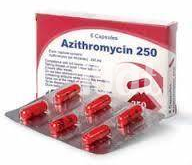
When facing an infection in pregnancy, many wonder whether azithromycin is safe; researchers have studied outcomes, balancing benefits of treating maternal illness against possible fetal exposures and risks in detail.
Population studies, randomized trials, and meta-analyses generally show no large increase in major birth defects with azithromycin, though some reports note small associations needing cautious interpretation as more data emerge.
Clinicians weigh maternal benefits of treating infection versus theoretical fetal risk; shared decision-making, using lowest effective dose and alternative antibiotics when appropriate, helps personalize safe care in each pregnancy context.
Potential Fetal Risks and What Studies Show
When expecting, decisions about antibiotics can feel heavy. Researchers have examined azithromycin's safety, tracking large pregnancy registries and controlled studies to determine whether exposure increases birth defects or other adverse fetal outcomes in clinical practice.
Most population studies have not found a clear link between maternal use and major congenital anomalies, but a few analyses reported small increases in specific defects, notably cardiovascular malformations, though findings are inconsistent across datasets.
Interpretation is complicated by confounding factors: infections themselves may raise risk, and observational designs can’t fully account for severity, timing, or co-medications. Randomized trials in pregnancy are rare, limiting definitive causal conclusions for clinical guidance.
Overall, data suggest small or no increases in most outcomes, so clinicians may prescribe azithromycin when benefits outweigh potential risks. Pregnant people should discuss individual circumstances, alternatives, and timing with their healthcare provider for safety.
Azithromycin While Breastfeeding: Transfer into Milk

When you need antibiotics while nursing, a calm explanation helps: azithromycin does pass into breast milk, but typically at low concentrations that decline quickly after the last dose. Standard regimens and short courses limit exposure.
Clinical measurements show variable but generally small milk-to-plasma ratios; the amount an infant ingests is usually much lower than therapeutic doses used for children, making adverse effects uncommon. Studies include small cohorts and observational data, so monitoring remains prudent.
Still, watch for diarrhea or rash in the baby and time doses after feeding if concerned; discuss any questions with your healthcare provider, who can weigh infection risks against the modest transfer to milk. Breastmilk benefits usually outweigh small risks, often.
Practical Dosing Guidance and Timing Considerations
Timing and dose shape antibiotic decisions in pregnancy and lactation. Short azithromycin courses minimize exposure and simplify adherence.
Common regimens are a single 1 g dose or 500 mg day one then 250 mg daily for several days. Providers adjust for trimester, renal or hepatic issues.
If breastfeeding give doses after feeding to reduce infant exposure and watch for gastrointestinal effects. Discuss alternatives with your clinician and document response.
| Dose | Use |
|---|---|
| 1 g single | short course |
Alternatives and Talking to Your Healthcare Provider
When faced with an infection during pregnancy, many women weigh the need for treatment against potential fetal effects. Clinicians consider infection type, gestational age, allergies and safer antibiotic options such as penicillins or cephalosporins. A careful risk–benefit discussion helps choose the shortest effective regimen.
Talk openly with your provider about breastfeeding plans, current medications and past reactions. They may suggest timing doses to reduce infant exposure, monitoring for side effects, or safe substitutes. If treatment is necessary, clear instructions and follow-up reduce anxiety and safely protect both mother and baby.